Ten Years in Meheba, and Still Dreaming
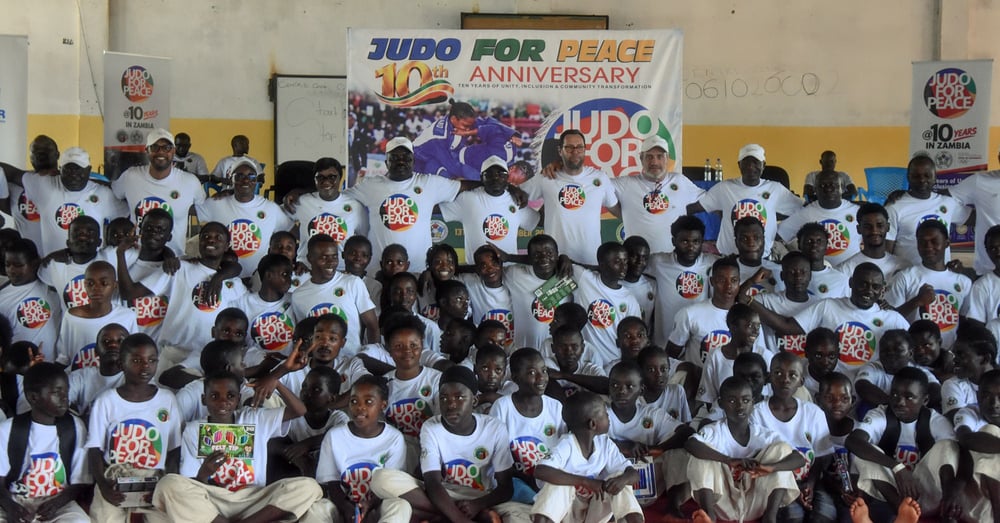
Meheba is home to more than 50,000 people who have fled conflicts across Africa. The question that accompanied the programme in 2016 still deserves to be asked. What place does judo have when families are struggling to meet their most basic needs?
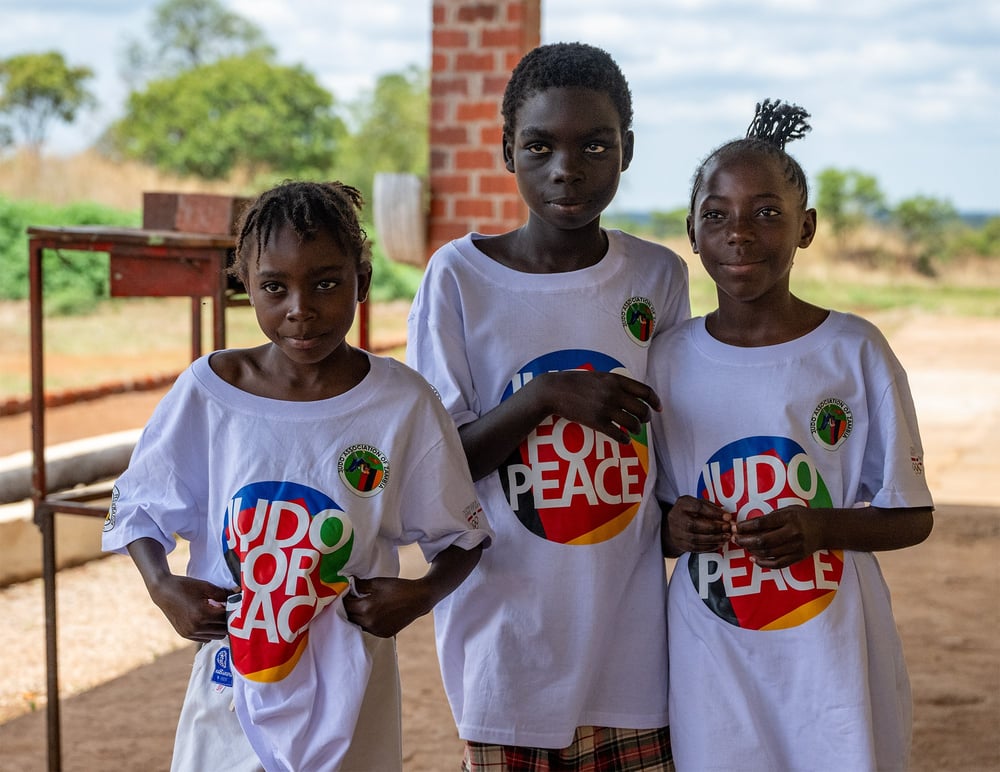
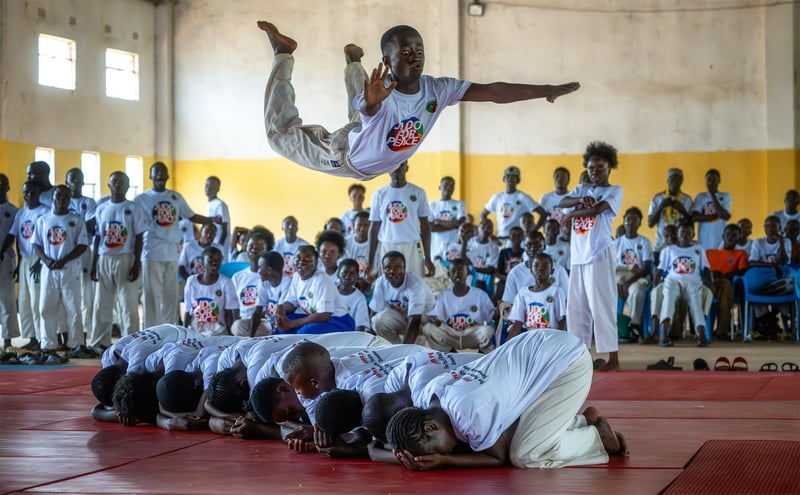
Part of the answer was there on the tatami. A child learning to throw needs a partner willing to fall. The child who throws learns to guide their partner safely to the mat. Then they exchange roles. In the space of a few seconds, each has been responsible for the other. Over weeks and months, the same children come back, learn one another’s names, notice when someone is missing and help a newcomer through the movements they once found difficult. For families who have had to leave behind familiar places and people, those ordinary ties are part of what makes a place feel like home.
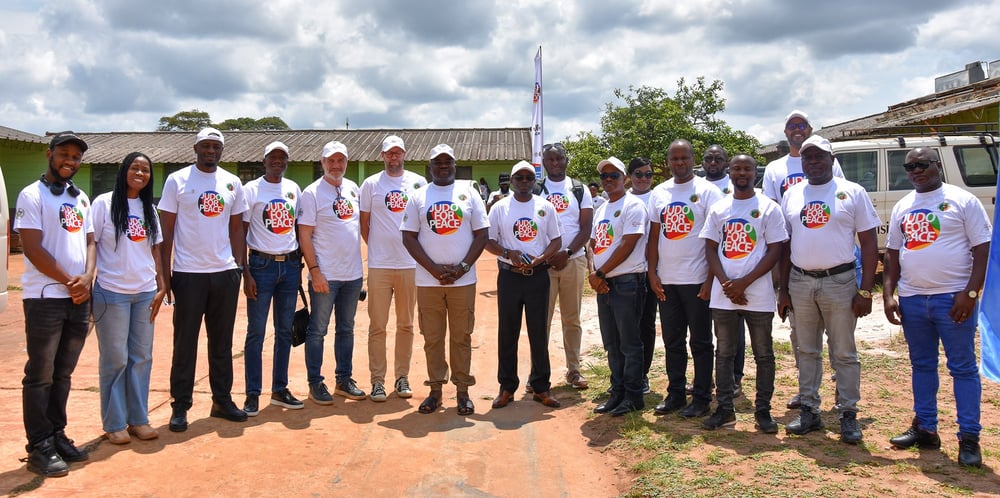
A decade of work made the anniversary possible. Under the leadership of IJF President Marius Vizer, the federation has supported the programme from its beginnings through the Judo for Peace Commission, working alongside the Zambia Judo Association to put judo’s educational and social values into practice.
UNHCR helped the programme reach refugee settlements, the Norwegian Olympic Committee funded facilities and supported coach development and the Zambian government helped create the conditions for the work through its approach to refugee inclusion. The Southern African Judo Confederation helped Judo for Peace take root in Zimbabwe and Malawi.
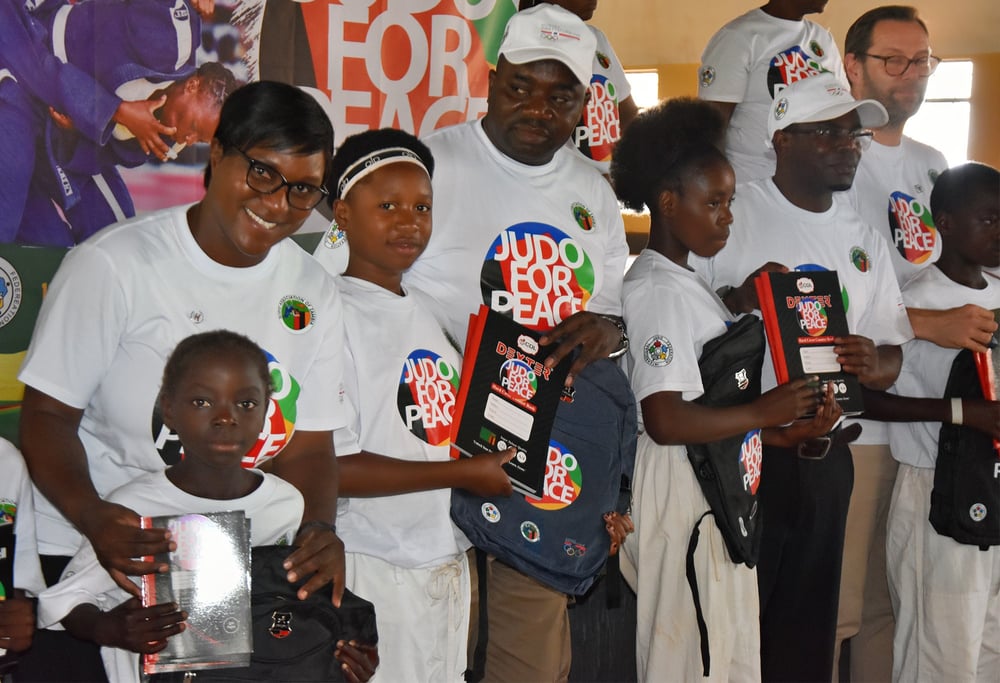
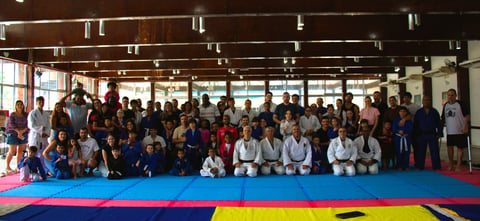
In Zambia, the programme grew from Meheba to Mayukwayukwa and Mantapala. Seeing young judoka from all three settlements share a tatami gave that history a human scale. Children who had learnt their first techniques with different coaches, in different parts of the country, could bow to one another and begin to practise together. By the end of the day, some had made friends they might otherwise never have met.
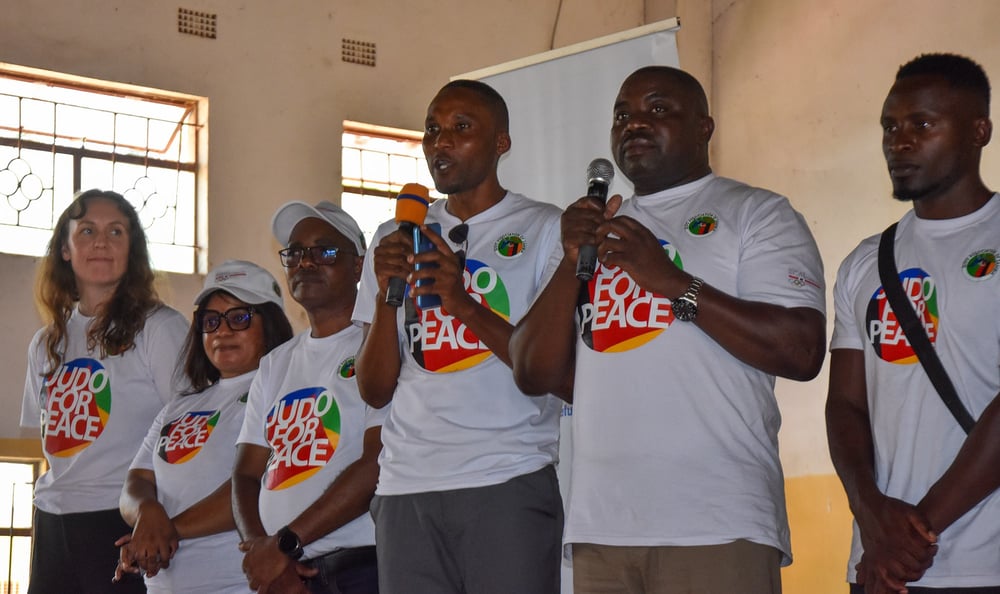
Alfred Foloko, President of the Zambia Judo Association and a member of the IJF Executive Committee, asked those gathered to imagine what it would mean to find themselves in need of the welcome they could offer someone else.
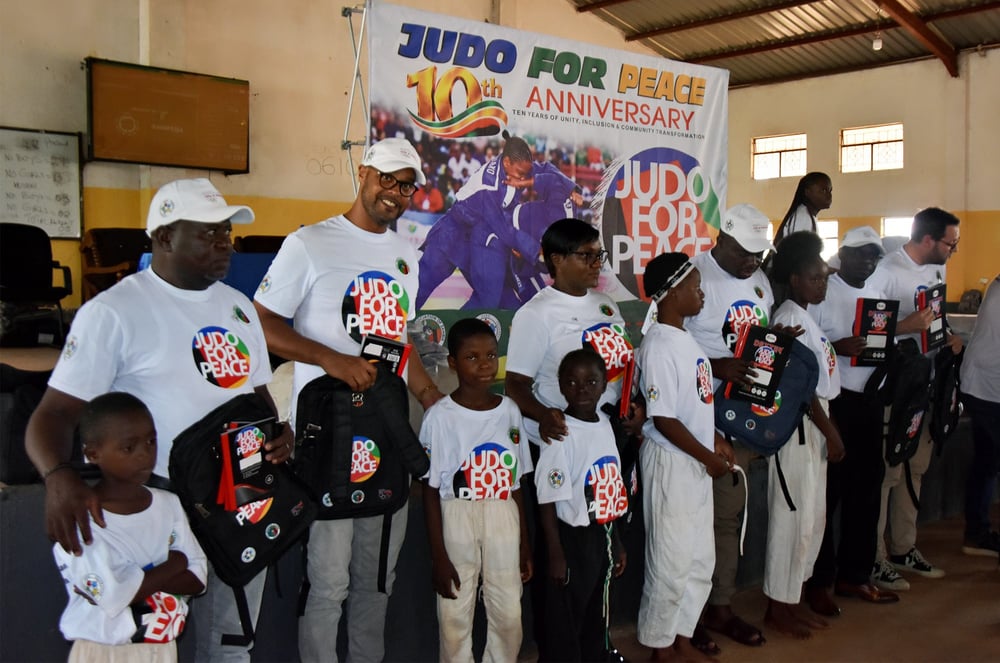
“Any one of us could become a refugee one day. We have a duty to take care of our young brothers and sisters who have had that misfortune, in the hope that, if the same thing happened to us, someone would reach out to us too.
Judo is about education. It teaches fundamental values that we put into practice on the tatami and carry with us into society.”
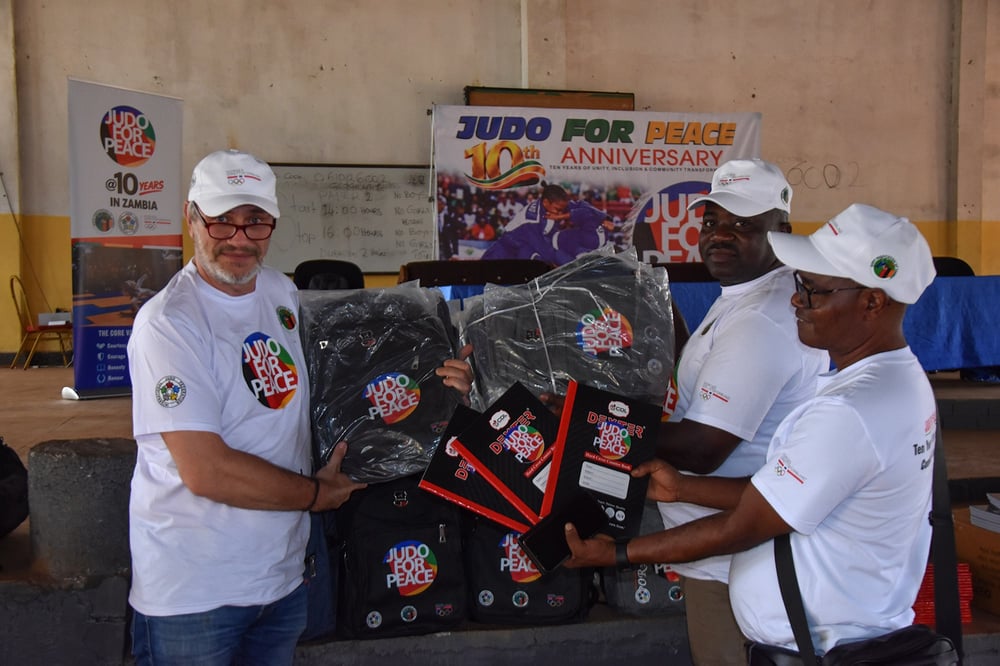
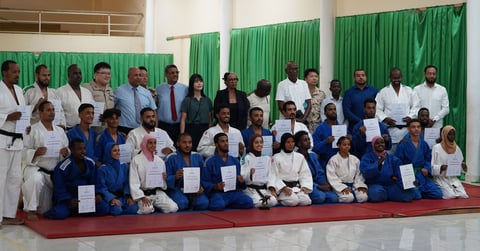
Foloko and the guests handed out clothes, backpacks, coloured pencils, pens and notebooks to the children. The gifts would go home with them and find their way into the everyday life of school. A notebook would hold lessons and stories. A set of coloured pencils would give a child another way to put on paper something they had seen, remembered or imagined.
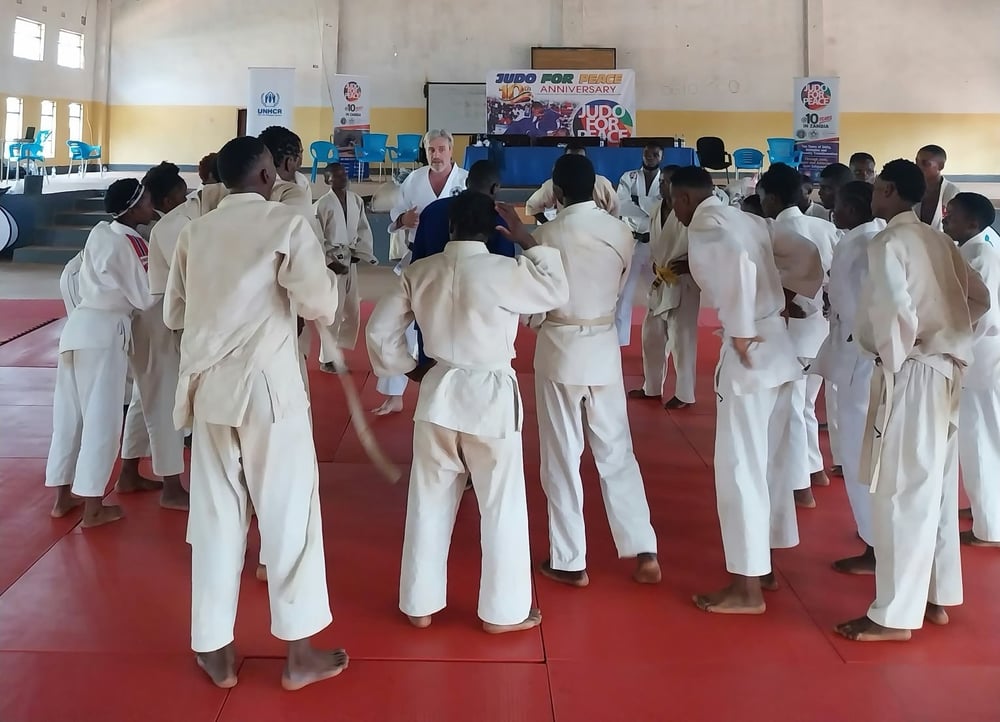
By the afternoon, the speeches had given way to practice. The young judoka gathered around Nicolas Messner, IJF Judo for Peace Director, for a technical session. For some, training alongside judoka from other settlements offered a glimpse of where competition might take them. Others might remember the pleasure of practising with a new friend, or the moment a movement they had struggled with finally felt right. Both are reasons to come back to the dojo.
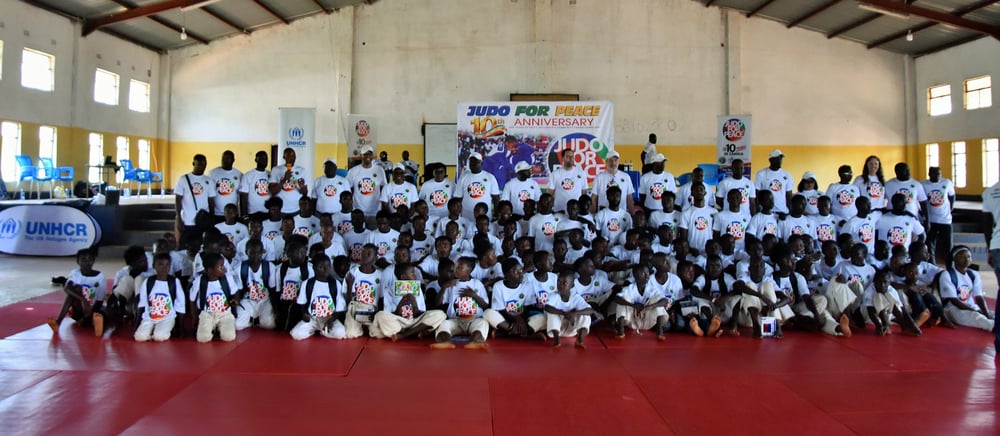
In 2016, the visitors could only imagine who might one day practise judo in Meheba. Ten years later, they watched the children demonstrate what they had learnt. Somewhere among them may have been a future champion or a future coach or referee. Perhaps one of those children will one day stand beside a beginner and show them, for the first time, how to fall safely.
Photos © Muriel Thomas
read more
Similar news
Important updates
Top stories

A Warm Welcome to Zagreb
Nov 14, 2026
-81 kg: Gold for Gauthier Drapeau
Nov 14, 2026
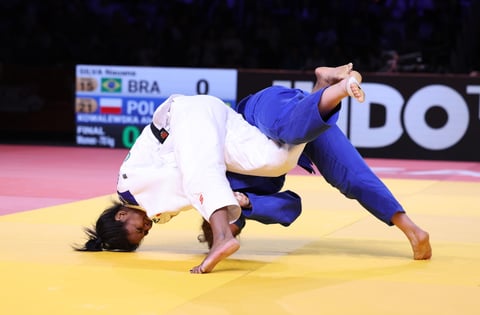
-70 kg: Gold Not Silver for Silva
Nov 14, 2026