In Meheba, the Right to Dream Again
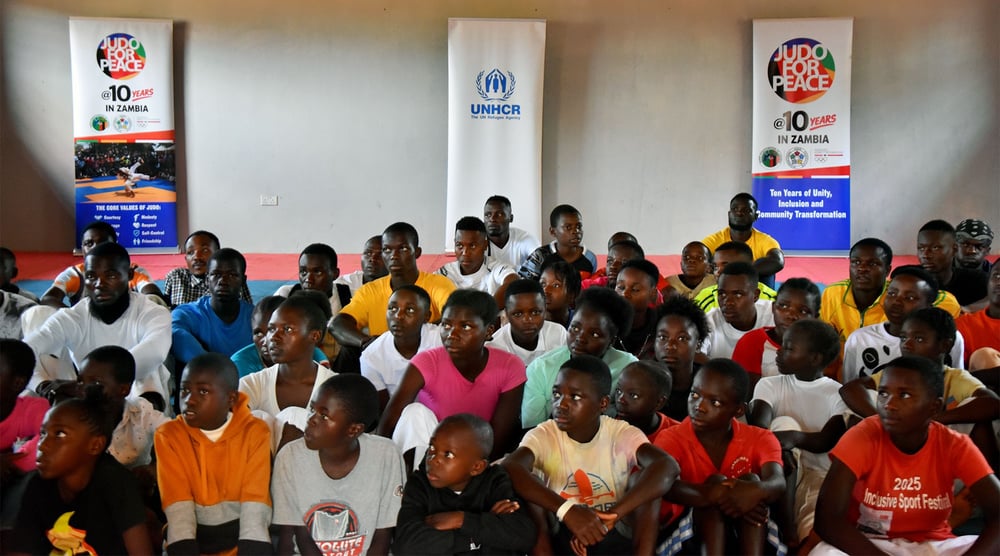
For several days, a delegation from the International Judo Federation, the Judo Association of Zambia, the Southern African Judo Confederation, the Norwegian Olympic and Paralympic Committee and Confederation of Sports (NIF), UNHCR and the Zambian authorities is in Meheba to mark the anniversary with the young people who have made the programme their own. On the first day, the presence of judoka from all three settlements gave the occasion a significance that went well beyond the date. An idea first put forward in 2015 had brought them together in the place where it began.
The first sessions took place in Meheba in November 2016. The idea was to bring judo into the lives of young people whose families had sought refuge in Zambia. From Meheba, the programme reached Mayukwayukwa and then Mantapala. Each new dojo offered something that takes time to build and can be easy to overlook. A young person could come back the following week, pick up where they had left off and begin to see what they might be capable of in a month or in a year. Having somewhere to return to matters when so much in life has had to be left behind.
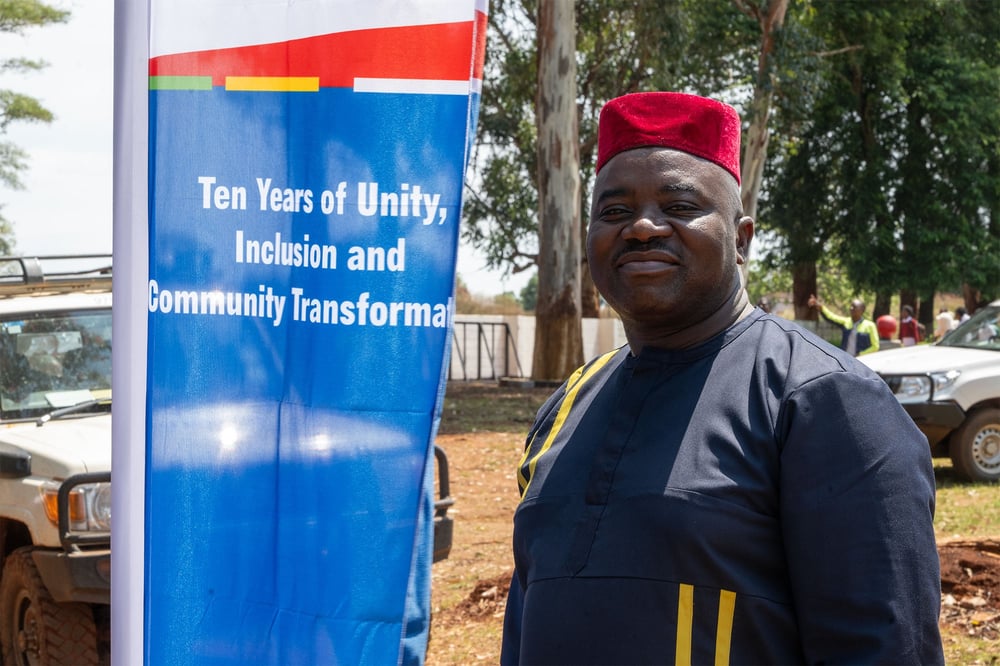
Alfred Foloko spoke of the dojo as a safe place and of the responsibility that comes with welcoming people forced to flee. He asked those present to consider how quickly anyone’s circumstances could change and what it would mean to depend on the welcome of another community. He recalled a decade of working through difficulties together, acknowledging the support of IJF President Marius Vizer, the commitment of NIF as a major funder and the contribution of the partners who had kept the programme going. His thanks returned to the young judoka and to the possibility, after so much uncertainty, of being able to dream again.
He put a figure on what he felt the dojo could offer. In his view, 40 per cent of the work takes place on the tatami and 60 per cent beyond it. The distinction makes sense to anyone who has learnt to fall with a partner. One person has to trust the other enough to give up their balance. The other has to take responsibility for how they land. Over time, each learns to do both. That is an ordinary part of judo practice and a demanding lesson in how to look after someone else.
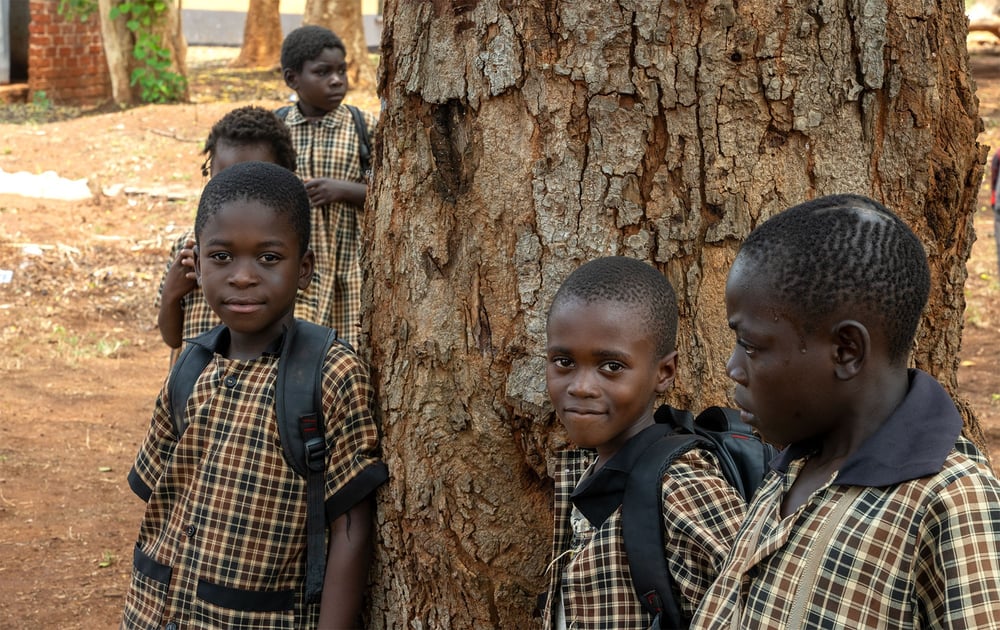
UNHCR, the UN Refugee Agency, has played an important part in extending that opportunity beyond the dojo. Working with Zambia’s Commissioner for Refugees and sporting bodies, it has helped widen access to organised sport for young people from refugee and host communities and supported the provision of equipment and uniforms. For judoka from Meheba, Mayukwayukwa and Mantapala, the work of the Zambian association and its partners has also opened the way to national competition. The chance to enter an event, represent a club and meet other athletes on equal terms is one practical expression of belonging.
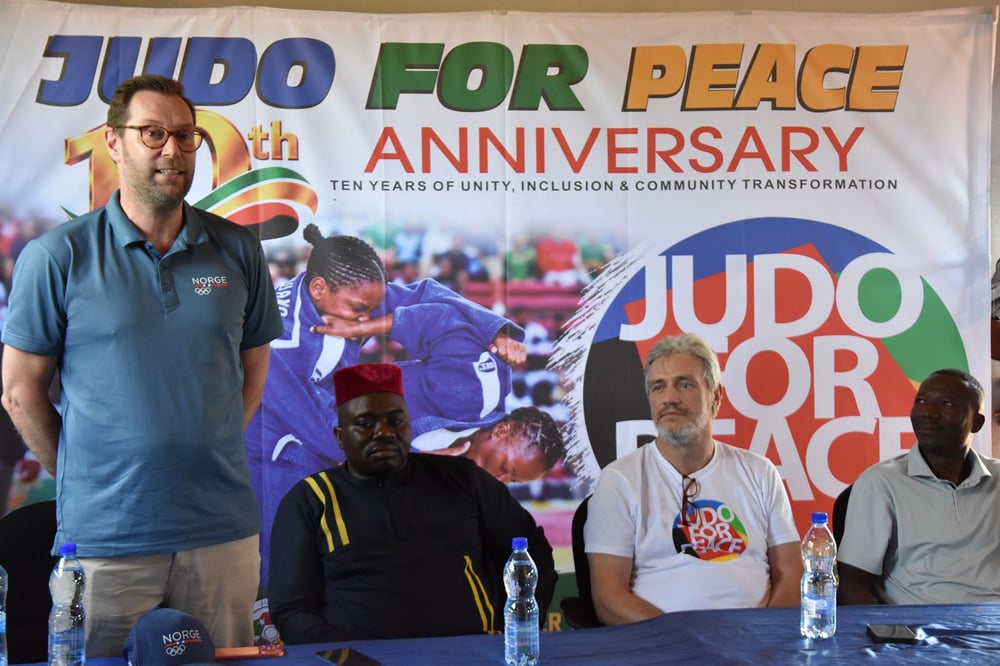
The representative of the Zambian government spoke about what sport can offer both refugees and the communities that receive them. That relationship is central to the programme. A training session gives young people a reason to meet regularly, to learn each other’s names and to rely on one another. A welcome can begin with a policy or a decision to make land available, as Foloko recalled. It is also something people have to practise in the places they share.
Rune Arctander, NIF’s head of international development co-operation, thanked those who had sustained the programme and put the athletes at the centre of the anniversary. Norway is a long way from Meheba, as Foloko observed. The value of a partnership across that distance can be measured in what it makes possible close to home, week after week, for the young people who train there.
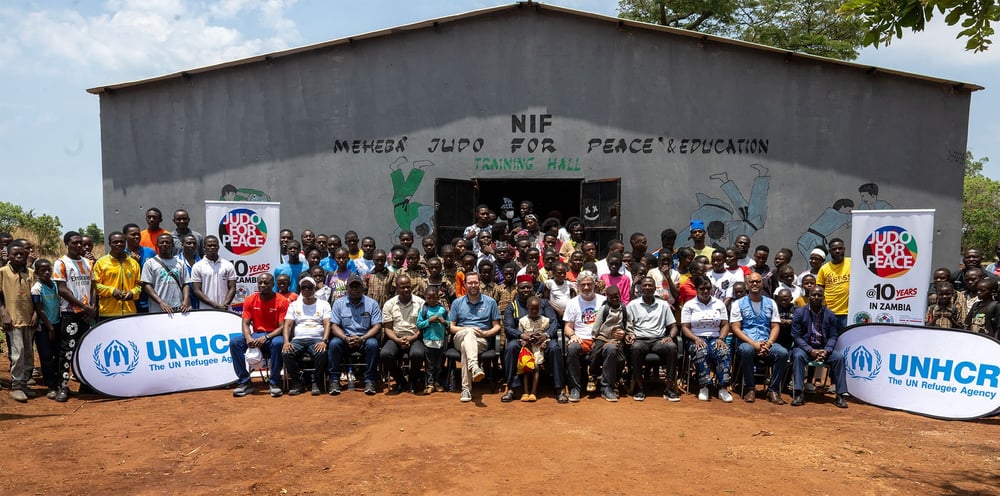
“We had a dream ten years ago and today that dream is becoming true. Together we can keep dreaming,” said Nicolas Messner, IJF Judo for Peace Director.
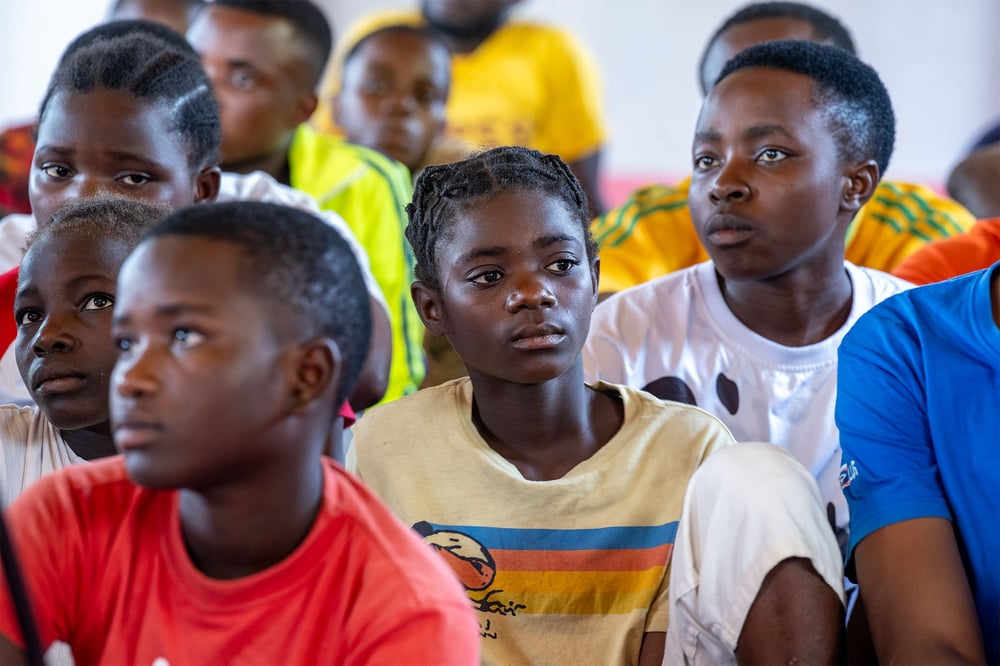
Ten years ago, the adults around this programme dreamt of bringing judo to Meheba. On the first day of the celebrations, young people from three settlements came to Meheba as judoka. They can decide for themselves what they want to do with what they have learnt, who they might teach and how far they want to go. That freedom to imagine a future of their own is worth celebrating.
read more
Similar news
Important updates
Top stories
The First Day in Zagreb is Already Offering so Much
Nov 13, 2026
The Zagreb Grand Prix is Just Hours Away
Nov 12, 2026

Zagreb Grand Prix Preview
Nov 12, 2026