Judo for All in Zambia: I Can Do That Too!
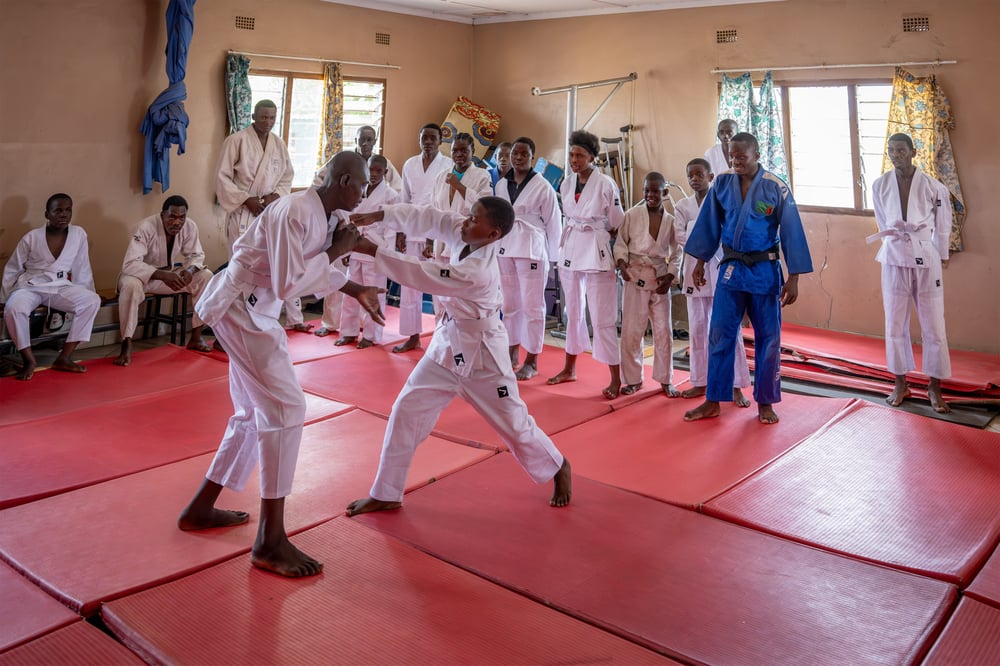
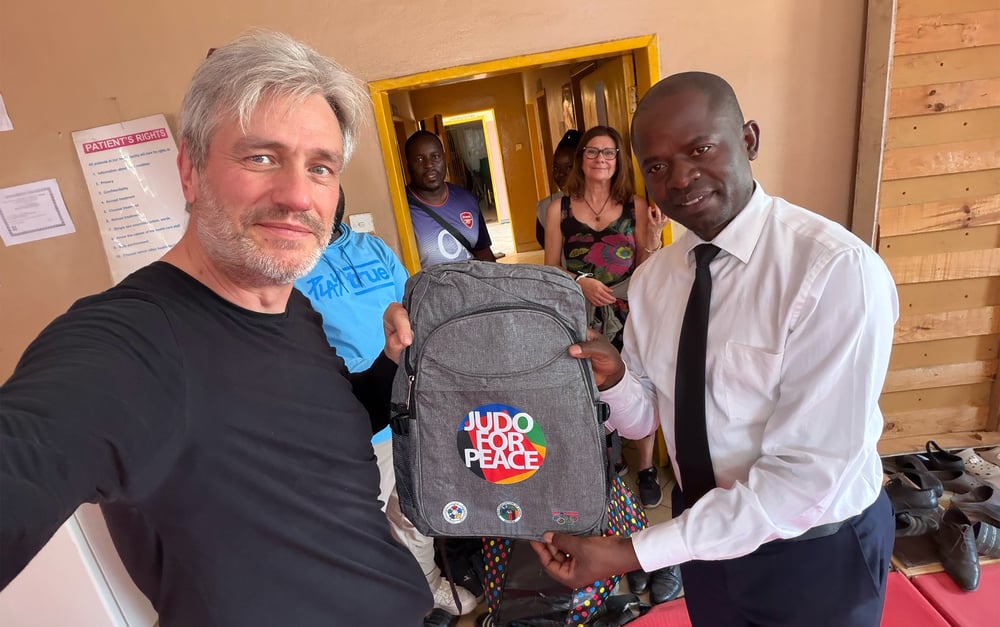
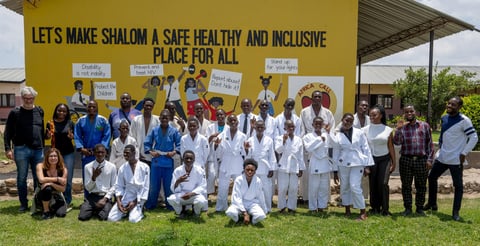
Several years ago, the Zambia Judo Association (ZJA), with the support of the International Judo Federation (IJF), launched Judo for All at Shalom as a pilot programme. The idea was simple: give children with and without disabilities the opportunity to learn judo together and make it part of the school’s approach to education. Nicolas Messner, IJF Judo for Peace Director, and Humphrey Nyirenda, ZJA Sport Director, returned to Shalom to see how the programme had taken root.
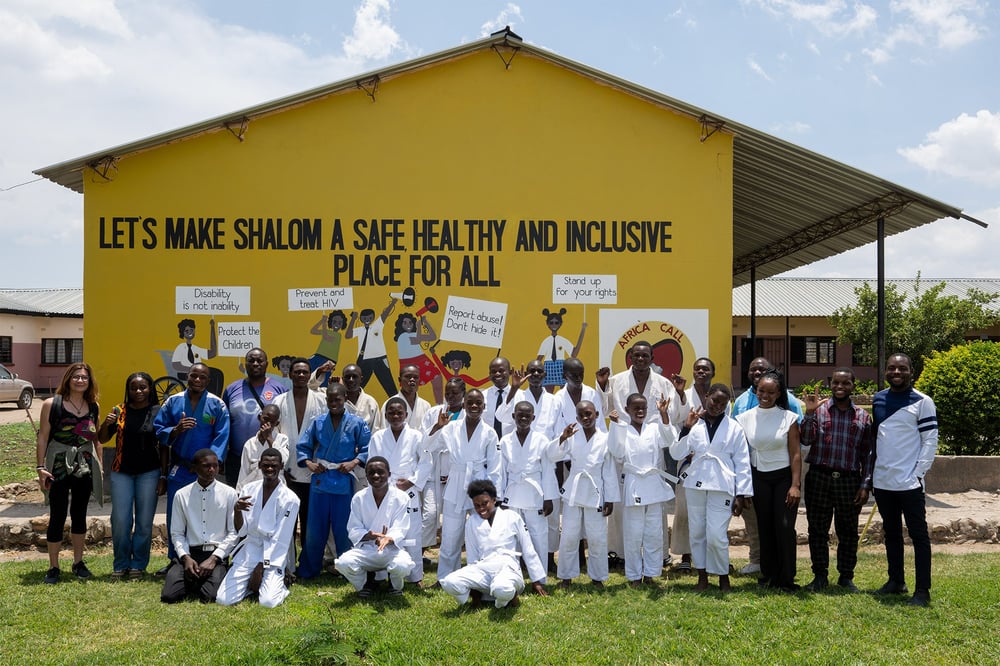
The school stands in Kanyama Compound, a densely populated neighbourhood west of Lusaka’s city centre. Markets and small shops are part of daily life there, and recurrent flooding during the rainy season puts pressure on already limited water and sanitation services. In the heart of the neighbourhood, the Shalom Centre began with a small school in 2007 and grew to include a clinic, a physiotherapy service and a community library.
For some families, taking part in school and community life once meant overcoming deeply rooted stigma. Children with disabilities were often kept out of sight. At Shalom, they have a place in the classroom, in the playground and on the tatami. What that looks like varies from one pupil to another.
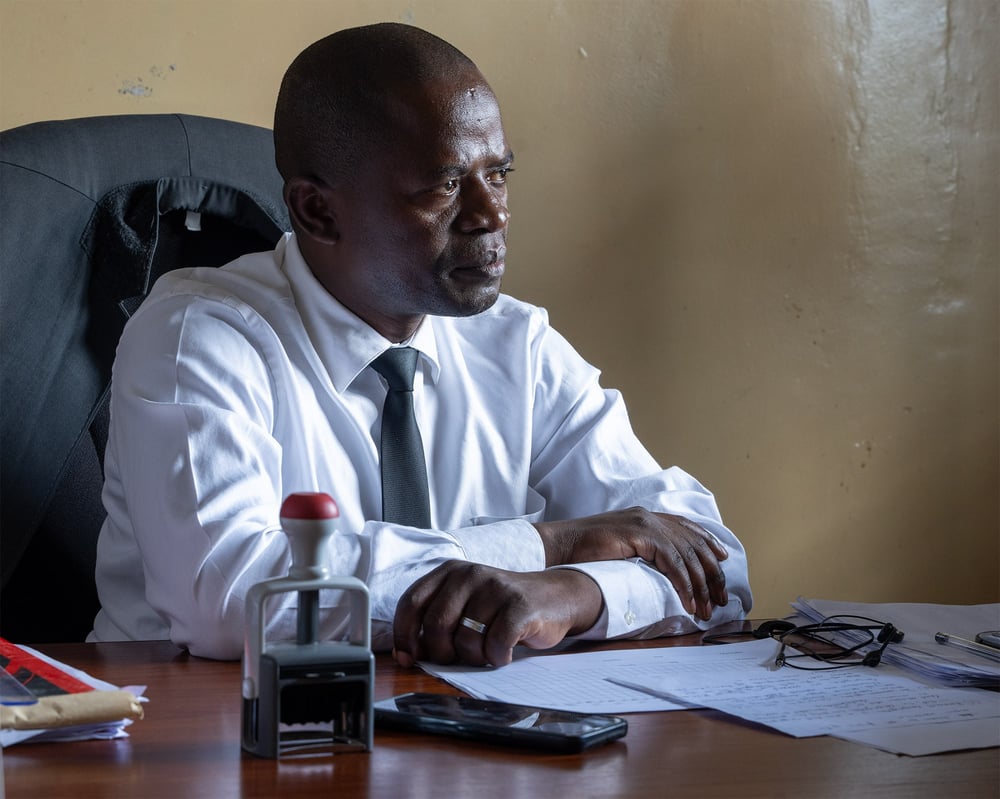
“We have more than 2,100 pupils aged six to 18. Around 130 of them have disabilities and their support needs vary,” explained Katebe Chikumbi, the school’s deputy director, who welcomed the delegation. “Some pupils join mainstream classes quite quickly, while others need more time before they can follow the same curriculum. For those who need more support, we focus on practical life skills that can help them become more independent.”
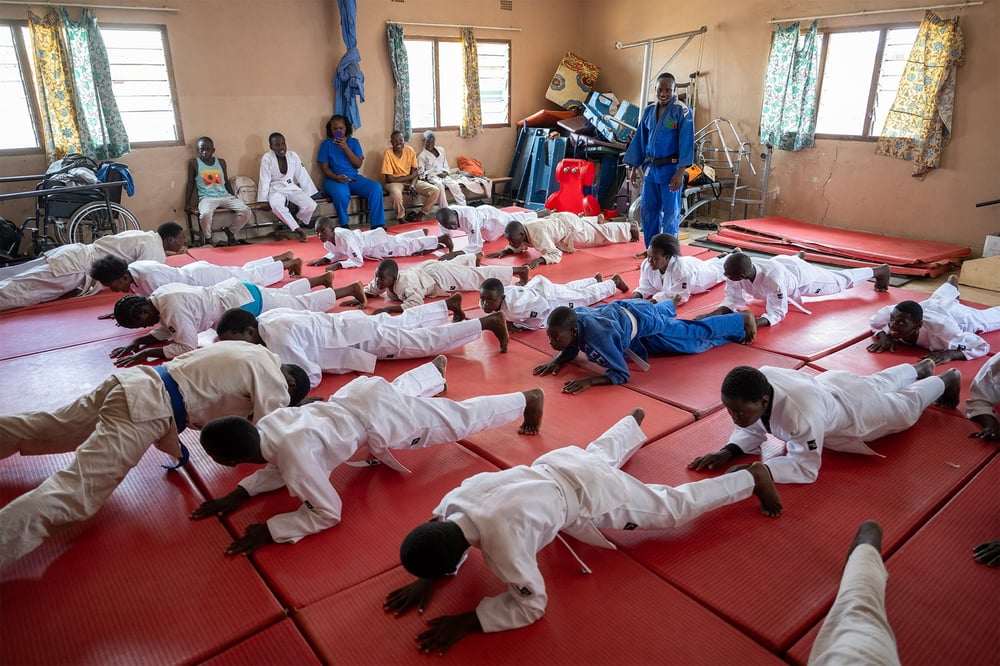
Judo gives pupils another way to learn together. Children with visual, hearing or intellectual disabilities train alongside their peers, learning to adjust to one another as they practise.
“Sport is a wonderful way to bring children together,” Chikumbi added. “We’re glad that judo is part of our approach to education. It gives our pupils a structured activity in which everyone can take part.”
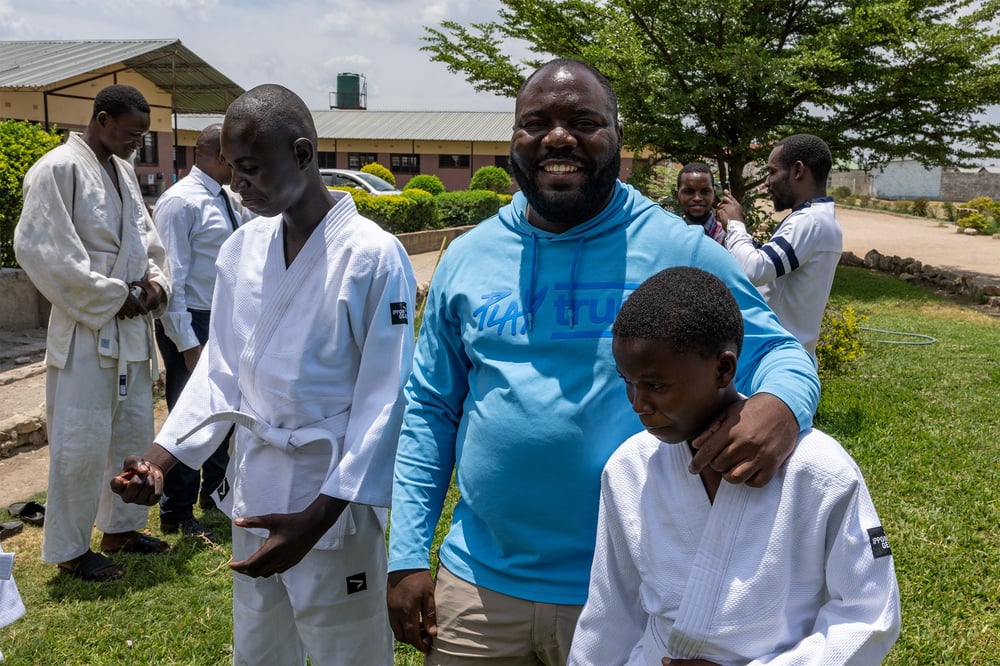
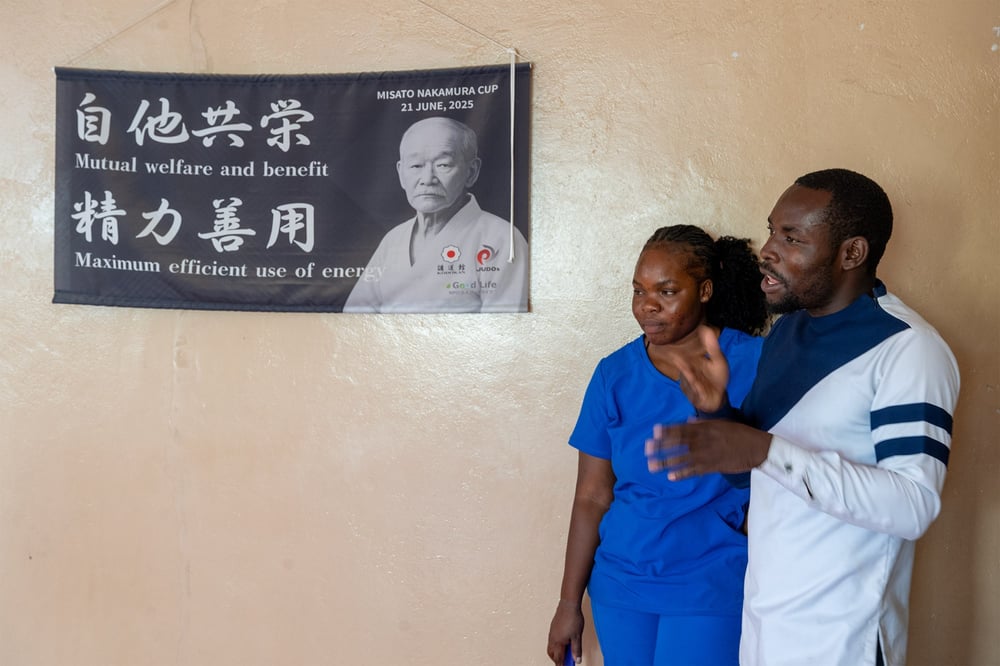
For Humphrey Nyirenda, the demonstration was an invitation to pay closer attention to what the children had learned. “These children are incredible. They can do things with a level of skill that many of us would struggle to match. Have you ever tried doing judo without being able to see?”
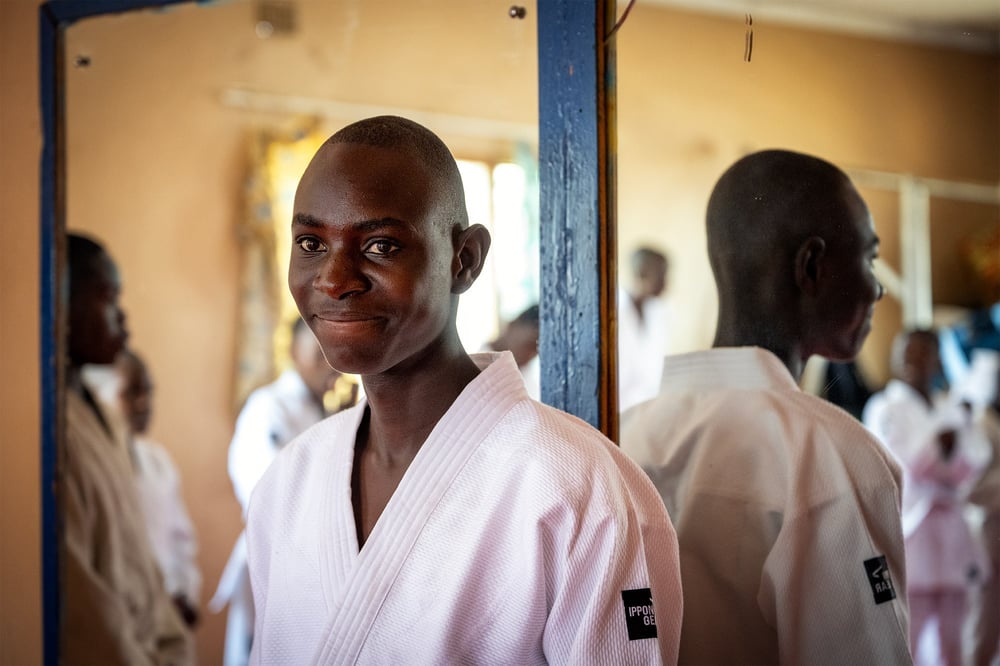
For Nicolas Messner, the visit brought back memories of the programme’s first days. “When we came here several years ago, we launched a pilot project and had no idea how far it would go. We believed in what sport and judo could do. We still had to see what the project would mean for the children themselves. Today, seeing those great big smiles on their faces, we got a sense of that.”
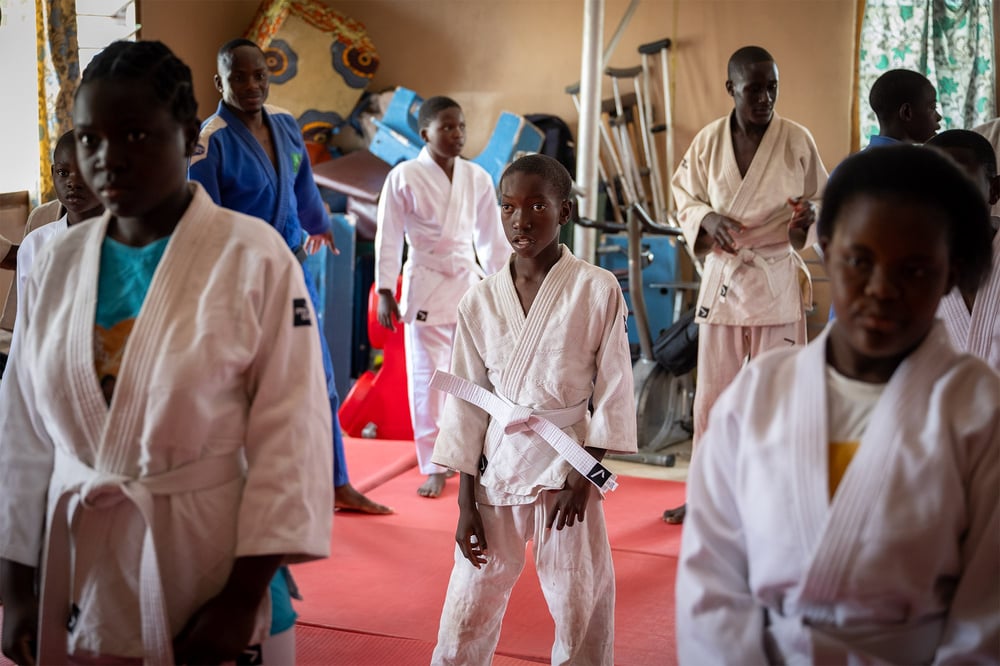
On the tatami, each child brings something to the practice. A pupil who needs support in one exercise may be the partner who helps someone else find their balance in the next. As the children learn what they can do together, they also discover what they can learn from one another. That experience can carry into the classroom and beyond the school gates, challenging assumptions about who gets to take part and who has something to teach.
Frank Milupi was among the first children to take up judo at Shalom. In 2023, he represented Zambia at the Special Olympics World Games in Berlin, where he won a bronze medal in judo. Before those first sessions in Kanyama, it would have been hard to imagine one of the school’s pupils stepping onto a tatami in Berlin to compete for Zambia. Frank’s achievement gave the children following in his footsteps a reason to think, ‘I can do that too, in my own way.’
read more
Similar news
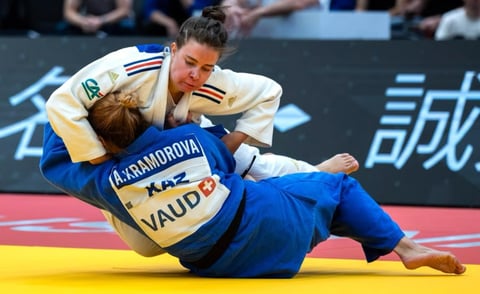
IJF, ICSD and DIJF Sign Landmark Agreement to Develop Deaf Judo Worldwide
Nov 10, 2026
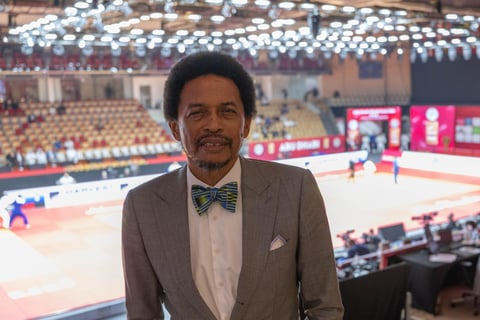
Brian Lewis (TTO): Action Speaks Louder Than Words
Oct 31, 2026
The Significance of the Asian Para Games
Oct 19, 2026
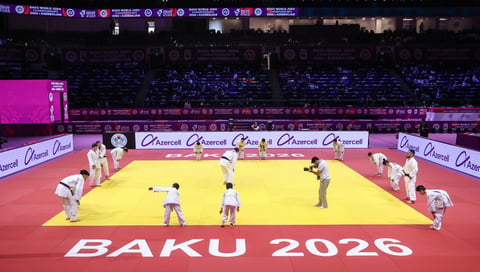
Judo Is for Everyone: Inclusion Takes Centre Stage in Baku
Oct 9, 2026
Important updates
Top stories


Zagreb Grand Prix Preview
Nov 12, 2026
Nov 11, 2026