A Place to Grow and a Voice to Lead
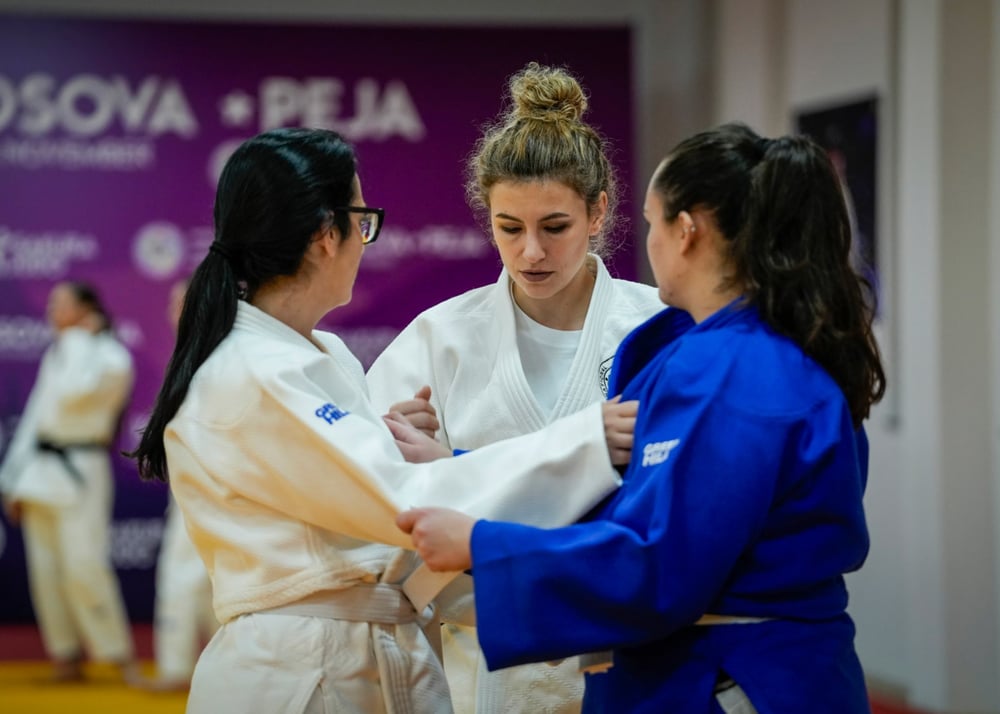
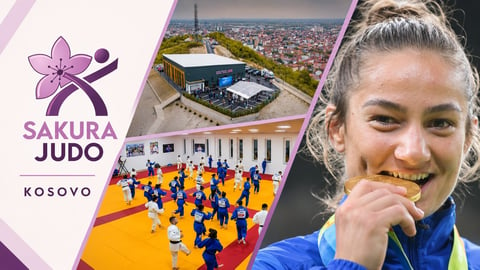
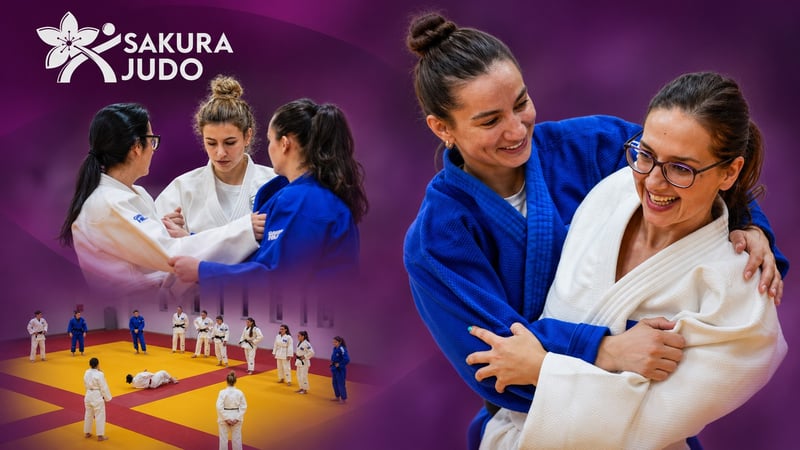
Following its inaugural edition in Peru, the IJF programme brought together women from judo, other sports and different professions in Kosovo. Larisa Kiss, who inspired Sakura Judo and serves as IJF Director for Olympic Games and the Olympic Movement for Judo, spoke about what the two editions have taught her, how the lessons of the tatami can help women find their voice and what it takes for the relationships formed over three days to last.
What did the first Sakura Judo programme in Peru teach you, and how have you adapted this edition for the women taking part in Kosovo?
The first edition in Peru gave us confidence in the format. Leadership and personal development complement judo education very naturally. We now have a better sense of how the sessions connect, when participants need time to reflect and when something begins to click. Often, on the first day, you can see the Sakuras starting to bloom.
Peru also taught us how much the group itself shapes the programme. Culture, professional background, experience and social context all influence how women respond to what we do. We keep the same approach and listen carefully so we can adapt it to the people in the room.
Once we start learning together through judo, we often find that we share the same ambitions, the same doubts and many of the same challenges. That common ground is why we created Sakura Judo.
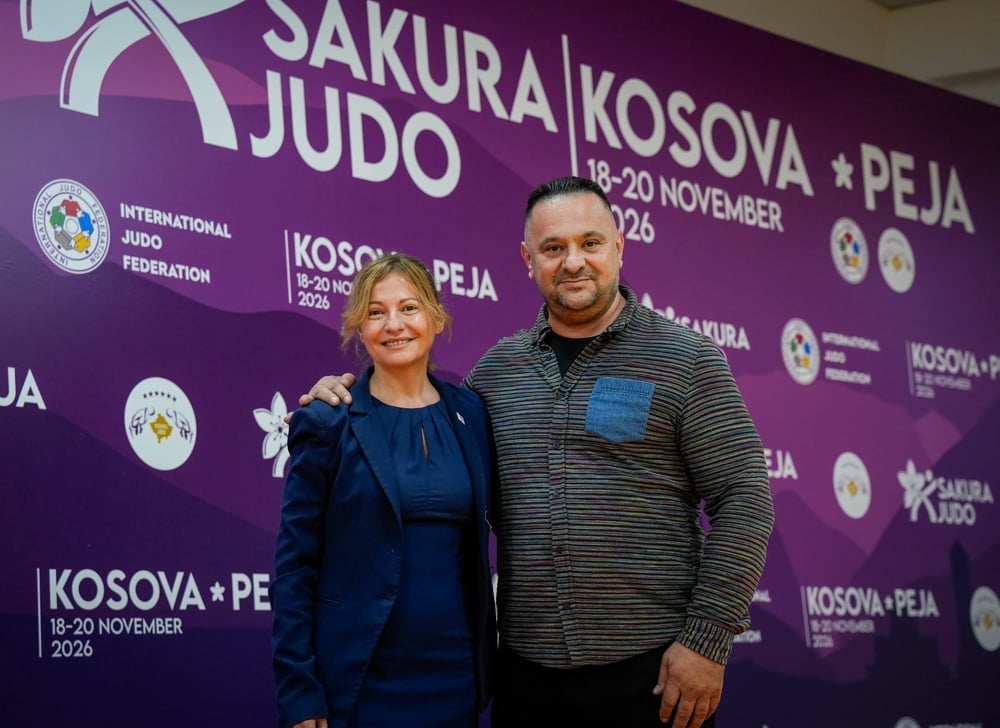
Kosovo’s female judoka have inspired a generation through their Olympic and world achievements. How can Sakura Judo help translate that inspiration into opportunities for women to lead?
Success can take many forms. Every woman has her own personality, goals and idea of what she wants to contribute. We want participants to see how many ways there are to build a career in judo beyond competition, through coaching, refereeing, education, administration, technical work or governance. Women and men belong equally in all those roles.
For women who have already given so much to the sport, a career transition can also be a way to give back. They bring years of experience, discipline and knowledge. Sakura Judo helps them recognise how much that experience is worth and where they might use it.
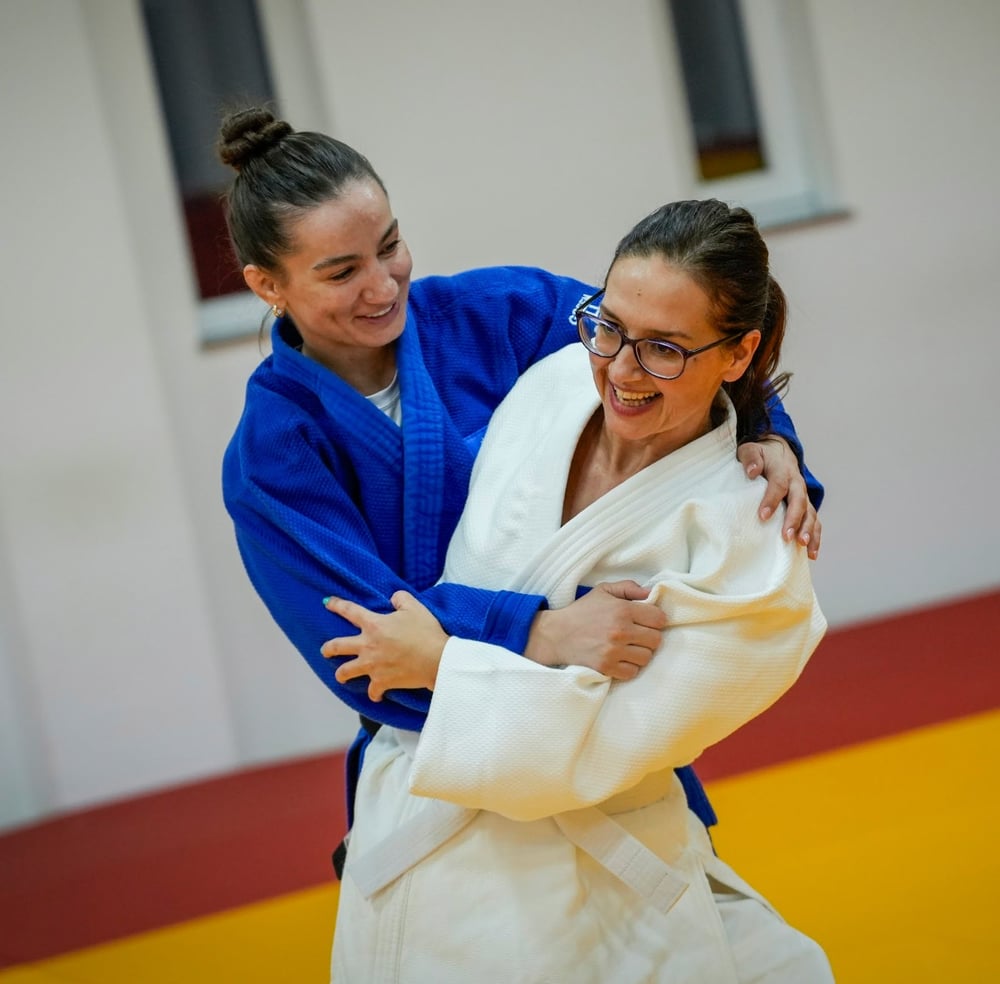
Women in Kosovo have already achieved extraordinary things on the tatami. I hope younger judoka will also grow up seeing women coaching, mentoring and making decisions about the future of their sport, and begin to picture themselves in those roles.
What are you hearing from participants about their ambitions and the challenges they face?
Many women still feel their skills are underestimated, their voices go unheard or they have to keep proving themselves. They are also used to carrying several responsibilities at once, often quietly.
Getting to know your strengths and trusting your own voice can change how you respond to those situations. So can an honest conversation with someone who has been in your shoes. Sometimes, hearing another woman describe the same experience allows you to see your own differently. The problem feels less personal and the road ahead a little less lonely. We want participants to leave with practical tools and with people they can call when they need advice, encouragement or simply someone who understands.
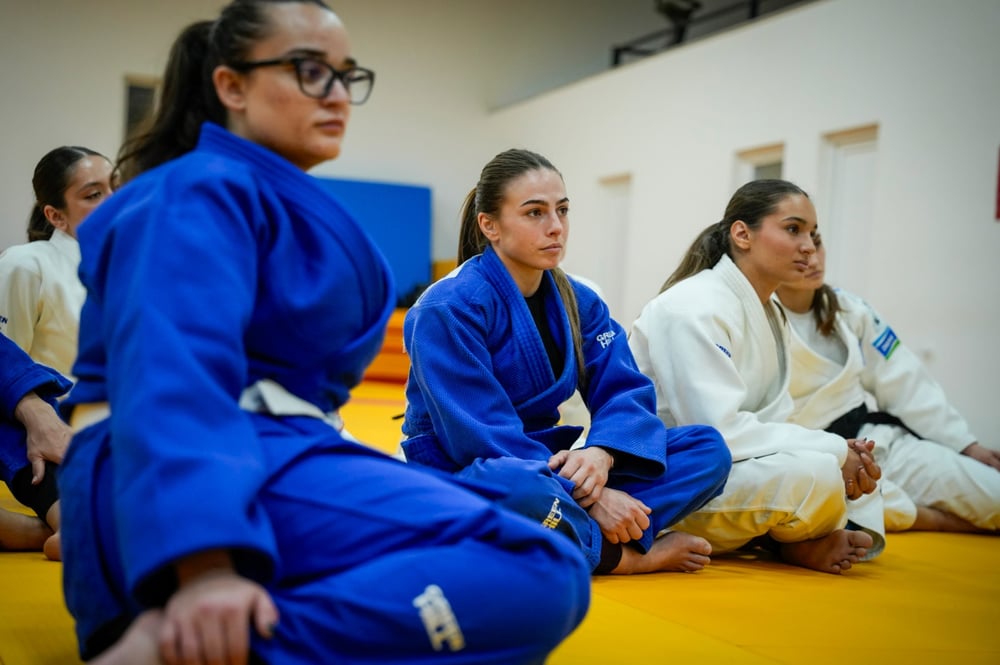
This edition brings together women from judo, other sports and different professions. What do you hope they will learn from one another?
I take great pleasure in watching women discover judo for the first time. They get to know its philosophy and its values through the women who practise it. In turn, our judoka hear how people in other sports and professions approach problems they recognise from their own clubs, teams or federations.
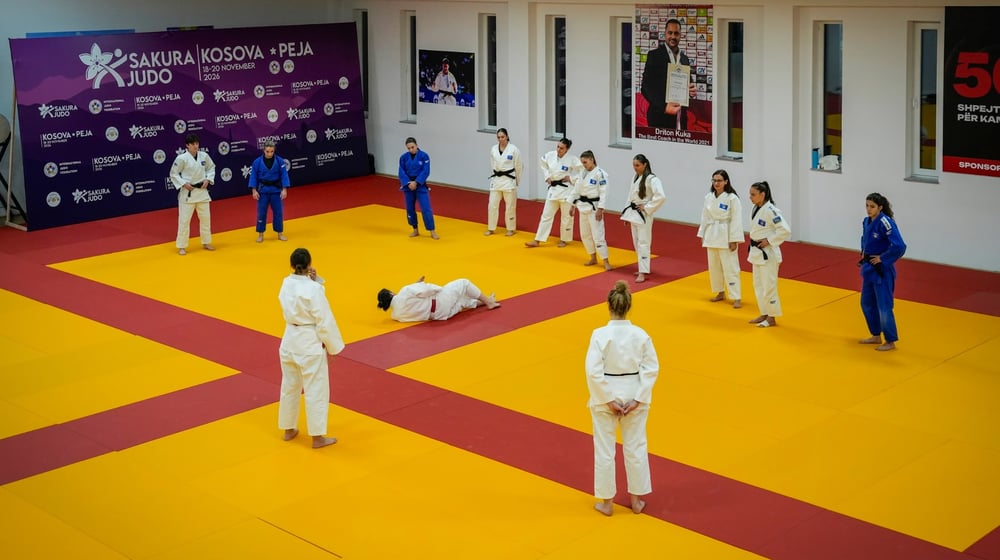
I also love seeing how proud our judoka become when they explain their sport to someone new. In describing what judo has taught them, they often begin to see their own experience differently. They recognise how much of what they do instinctively on the tatami can be useful elsewhere.
How do you create an environment where women feel able to speak openly, try something unfamiliar and take on new responsibilities?
During the first two mornings, we give participants time to think about how they communicate, what they find difficult, how they respond under pressure and what strengths they already bring. They quickly discover that others in the room have faced some of the same situations.
Then we work on practical skills, such as managing conflict, negotiating, communicating with people who think differently and speaking more clearly. A quality someone has always regarded as a weakness can become a strength once she understands how and when to use it.
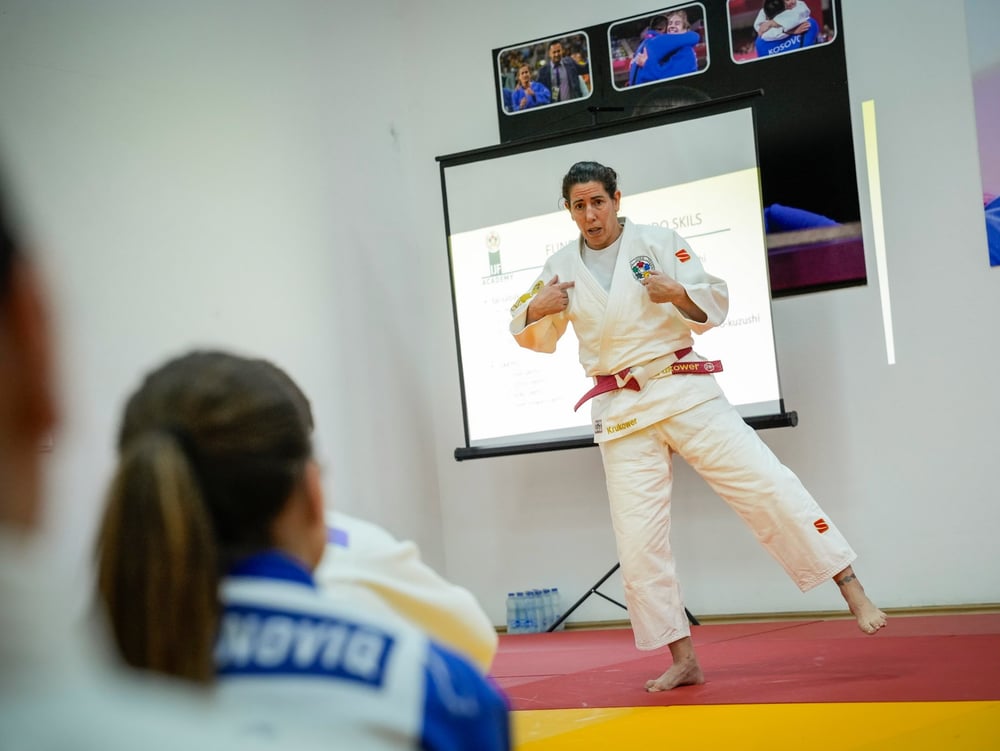
On the tatami, you experience that process physically. You try, you fall, you adjust and you try again. A partner helps you learn. That is Jita Kyōei, mutual welfare and benefit, in practice. When you feel respected and supported, it becomes easier to speak up or attempt something you might otherwise have hesitated to try.
If you were to return to Kosovo a year from now, what would you hope to see, and how can the IJF and the national federation help participants take their next steps?
I would like to see every participant a little further along a path she has chosen for herself. For one woman, that might mean coaching. For another, it might mean a role in her federation or the beginning of an international career. I also hope they find joy in what they do and can pursue it in a way that fits the rest of their lives.
I hope they are still exchanging ideas, asking one another for advice, celebrating each other’s successes and staying in touch through the difficult moments. The IJF Academy offers routes to further education and qualifications. The national federation can help by identifying opportunities, entrusting women with responsibilities and involving them in future projects.
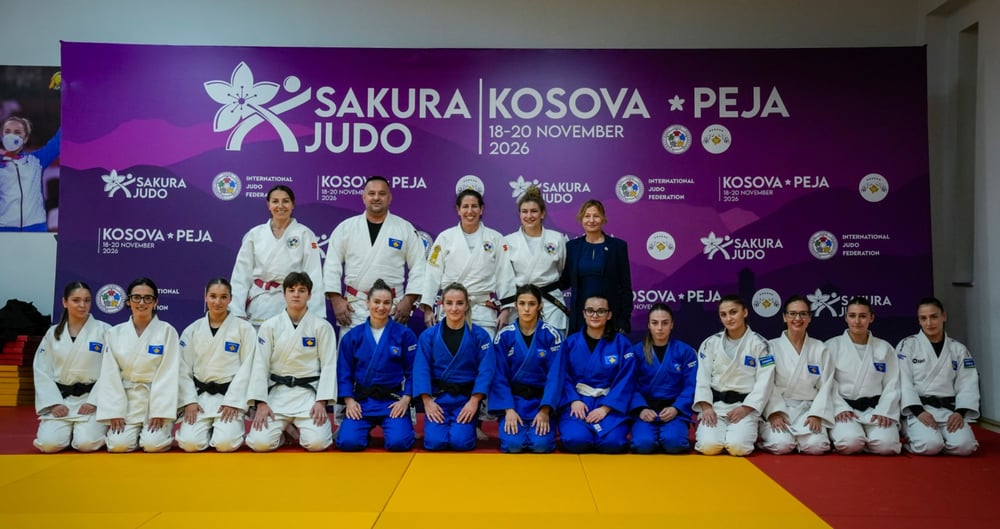
Each woman will decide where she wants to go and do the work of getting there. If Sakura Judo can help her see that path more clearly, take it with greater confidence and feel a little less alone along the way, we will have achieved something valuable.
The next chapter for Sakura Judo in Kosovo will take shape in clubs, at competitions and inside the federation. It may begin with a woman enrolling in a course she had been considering for years, a federation giving her a first assignment or a participant picking up the phone to ask someone she met in Kosovo for advice. For a young judoka watching from the edge of the tatami, seeing a woman take on one of those roles may be the first time she pictures herself doing it too.
Photo © Agon Dana, Kosova Judo Federation