Sakura Judo Lays New Paths in Kosovo for Women in Sport
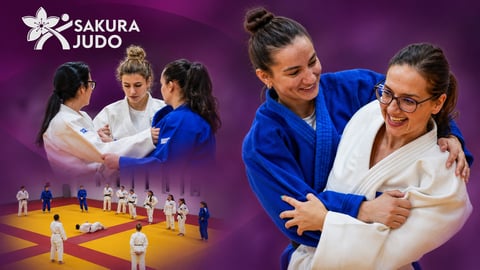
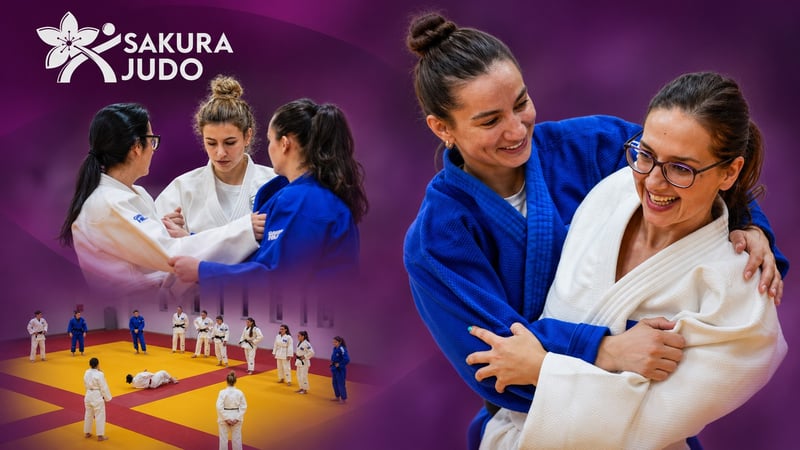
In its inaugural year, the International Judo Federation’s Sakura Judo programme set out to visit one country on each continent. For Europe, the IJF chose Kosovo for its exceptional record in women’s judo and for the community of women already contributing to the sport on and around the tatami.
“Kosovo stood out for its exceptional results in women’s judo and for the number of women already involved in the sport and in roles connected to it,” said Larisa Kiss, IJF Director of Olympic Games & Olympic Movement for Judo, who leads the Sakura Judo programme. “We saw an opportunity to build on what is already there, support the growth of women’s judo and help more women find a place in the activities and professions that surround it.”
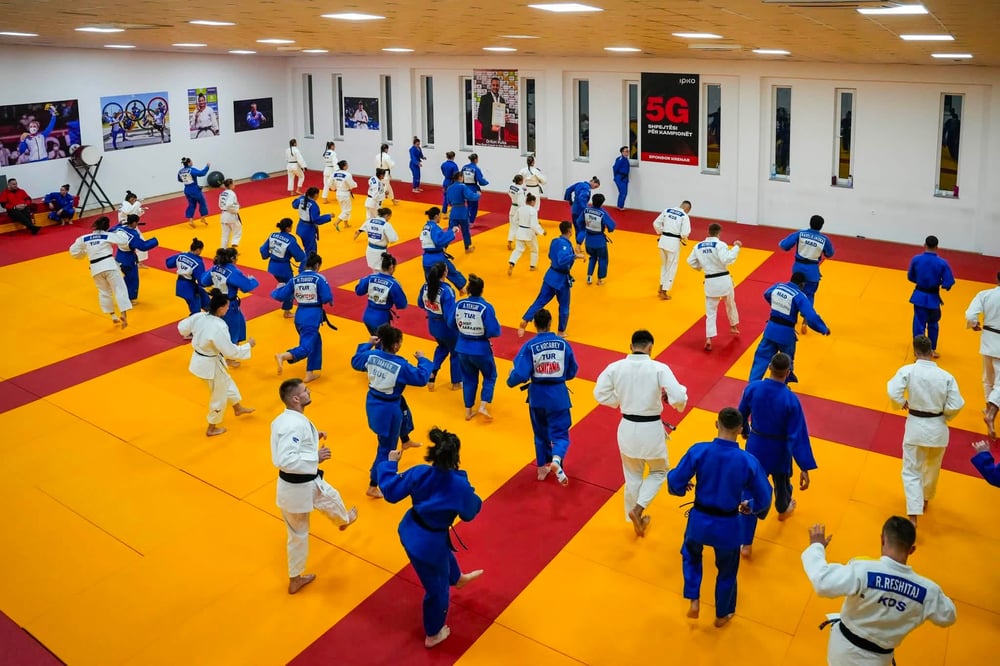
For the local organisers, the influence of Kosovo’s champions is visible in the way girls, families and clubs see judo. Women succeeding at the highest level have challenged a longstanding assumption that martial arts are chiefly for men. As athletes from that pioneering generation begin to move beyond competition, the federation is also considering how to help them bring their experience into other areas of sport.
Coaching is an established route. Opportunities in refereeing, federation administration, sport management, education and media can be harder to identify, especially while athletes are still competing. The organisers see a role for earlier career guidance and mentoring, giving women time to explore where their experience and interests could take them.
One judoka taking part already has younger girls at her club in mind. “I want them to see that there are many different ways to be involved in judo and that they can also take leadership roles in the future.”
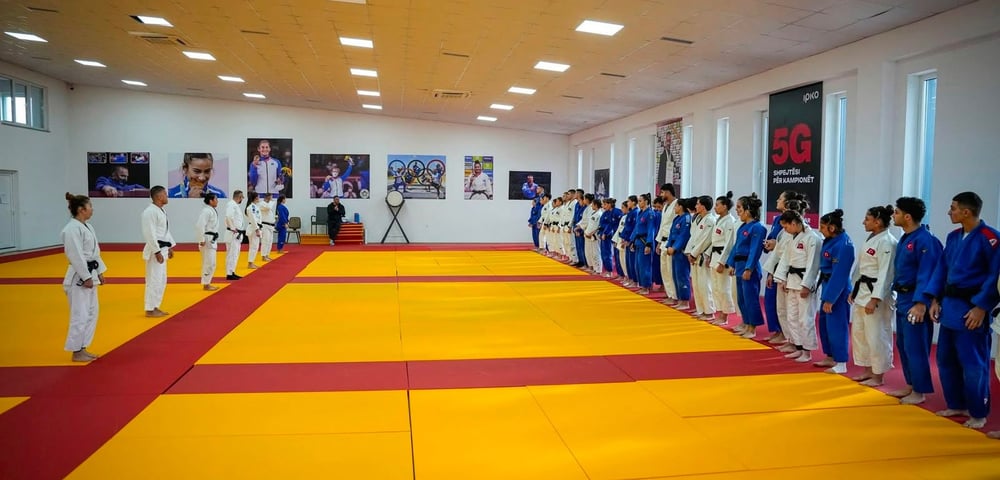
In the upcoming days, athletes, coaches and referees will work alongside women from the Kosovo Olympic Committee, sports federations, public institutions, media and fields including sports psychology and human rights. Participants with experience in basketball, table tennis and alpinism will bring perspectives from outside judo. The programme will cover leadership, communication, confidence, personal development and self-defence, with contributions from IJF experts and Kosovan judoka Majlinda Kelmendi, Distria Krasniqi and Laura Fazliu.
For one participant who works as both a coach and a referee, the aim is to become more confident in making decisions and to find better ways to support girls when they lose confidence. A participant from sports media wants to give greater visibility to the women whose work shapes sport every day. Both will have the opportunity to learn from people they might rarely meet in their usual roles.
The federation plans to stay in touch with participants and support their activities after the session. The first signs of progress may be seen in ordinary moments, when a coach helps a young judoka through a difficult week, when an athlete starts exploring a career in refereeing while she is still competing, or when a girl sees a woman leading her club and begins to imagine herself doing the same.