Kata Worlds: A Closing Celebration of Study and Excellence
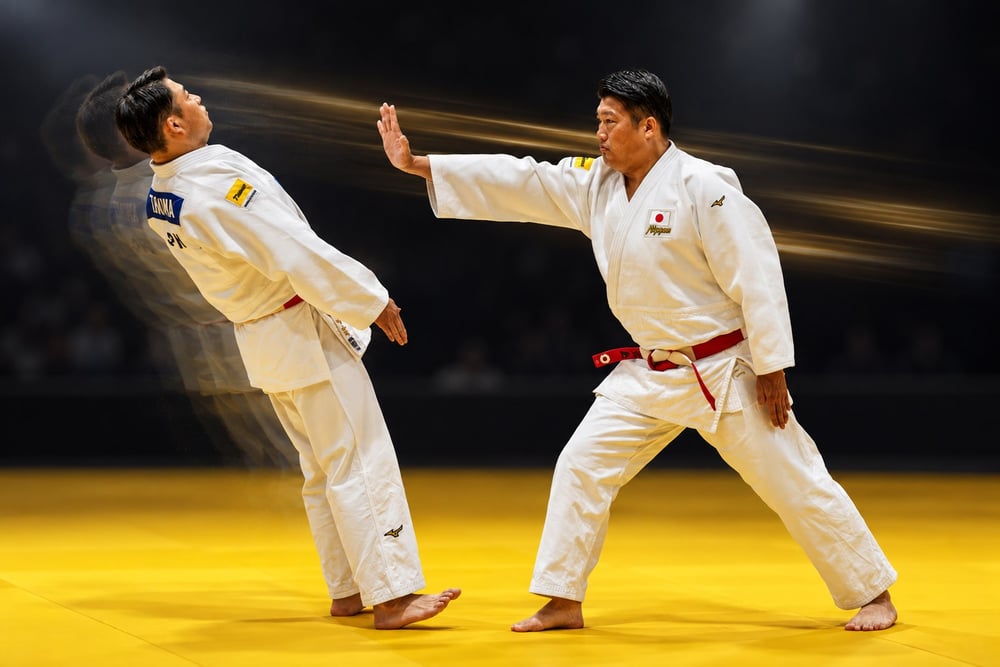
Across two days, 220 pairs from 24 countries took to the tatami. They did not oppose one another in the usual sense of the phrase. They measured themselves against the same exacting standards in the spirit of kata as envisioned by Jigoro Kano Shihan and developed by those who followed him.
A calm, concentrated atmosphere prevailed throughout the competition, yet the joy at its conclusion was unmistakable. Medallists and non-medallists alike left Sarajevo with a sense of work accomplished. For many, there was also the satisfaction of having performed well. For all, the championships offered a clear direction: to continue refining their kata, deepening their understanding of judo principles and bringing greater harmony to every movement.
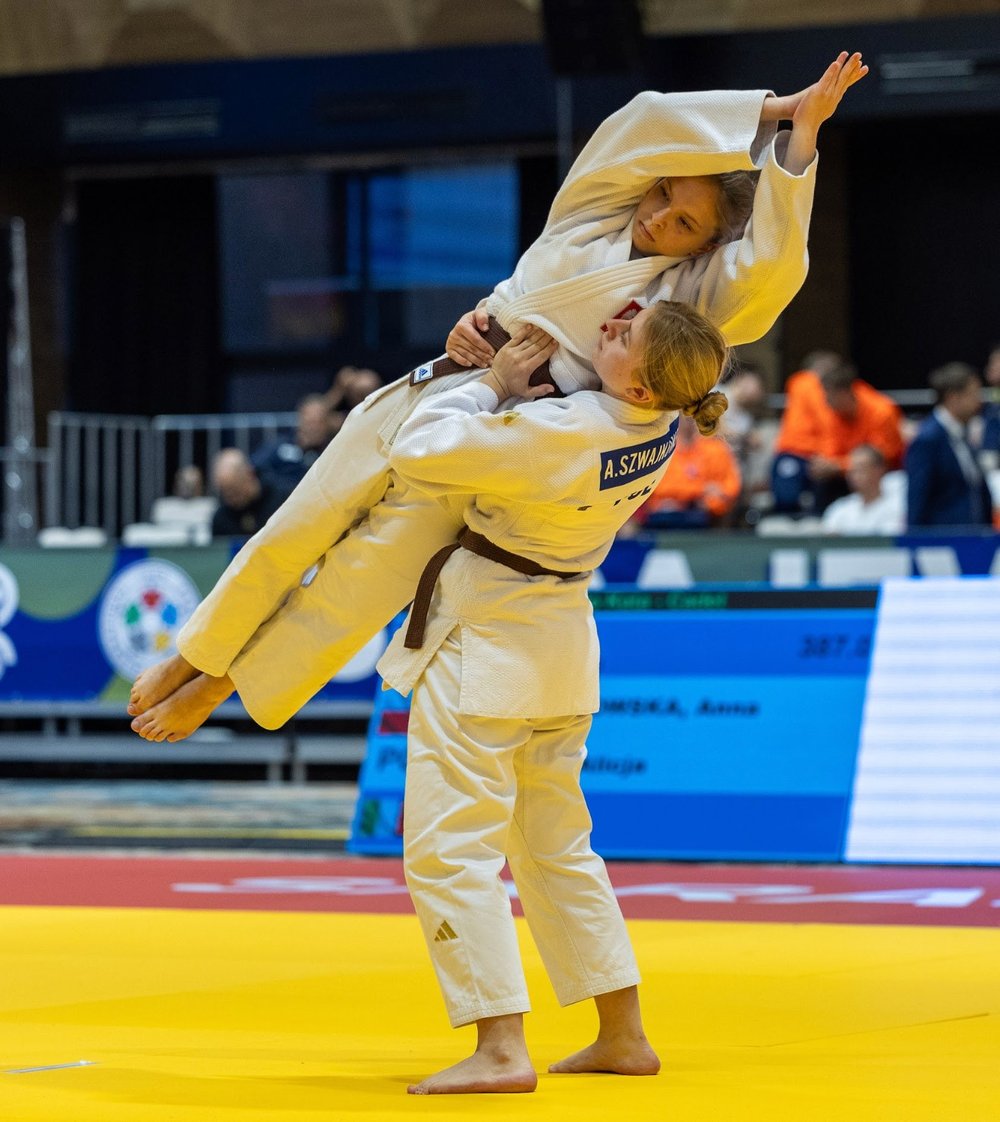
Competition matters and the final rankings are an important recognition of that work. Yet kata is never limited to a result. It remains a tool for learning, education, transmission and the preservation of judo’s roots, allowing the discipline to remain modern, dynamic and alive.
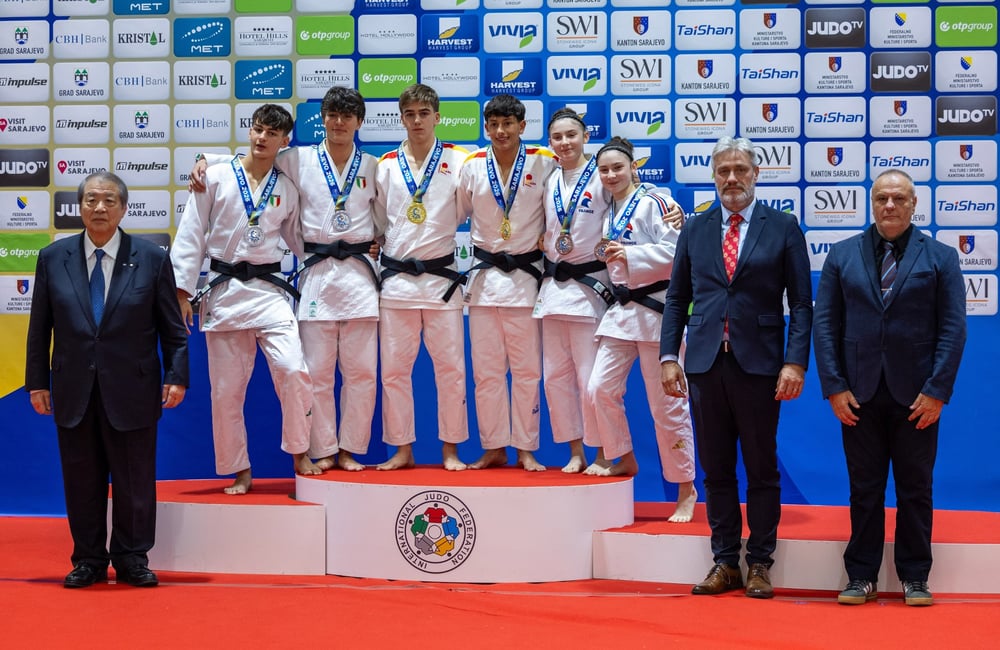
Twenty-one countries left Sarajevo with at least one medal. Japan, the birthplace of judo, topped the medal table with five gold medals and one silver. Korea followed with two gold, three silver and two bronze medals, while Italy took third place with two gold, two silver and one bronze. Germany, Spain, France and the Netherlands each also claimed at least one title.
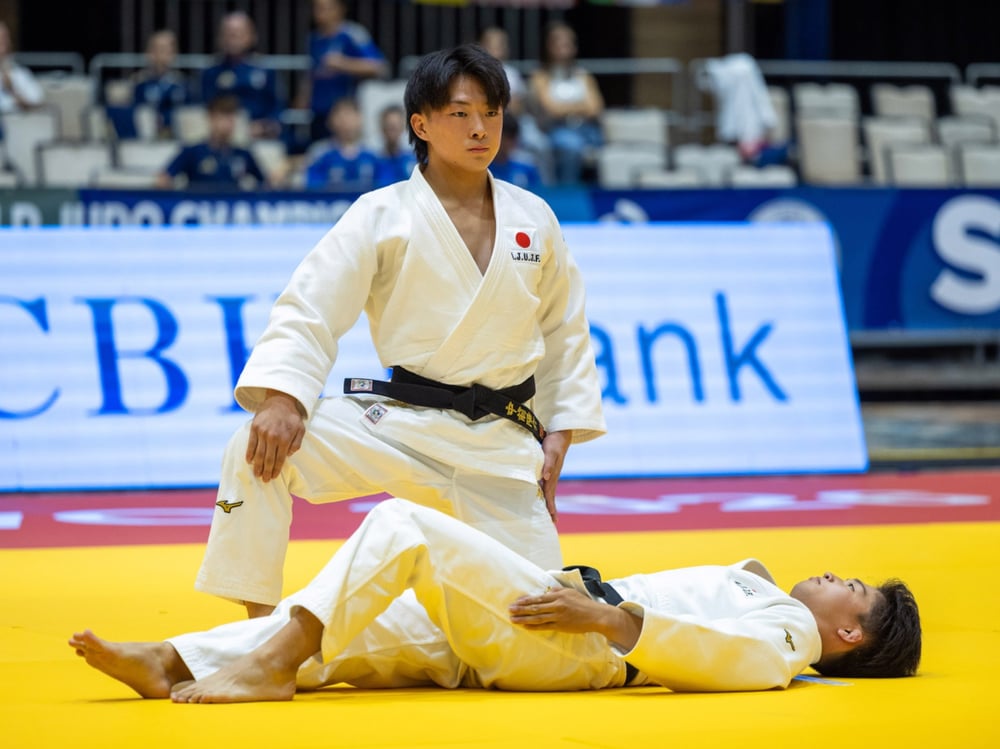
Congratulations to every medallist and to every pair that took part. Congratulations also to the organisers, whose work made these two days possible. The next edition now lies ahead. Until then, the task remains the same: to learn, to progress and to refine both kata and the human qualities that give it meaning.
NAGE NO KATA — CADETS
- FERNANDEZ LOPEZ, Sergio / SACRISTAN EGIDO, Gonzalo (ESP) - 252 points
- DOMENICHINI, Elia / GABBRIELLINI, Daniele (ITA) - 251.5 points
- PELLEGRINO, Stella / PELLEGRINO, Loane (FRA) - 251 points
KATAME NO KATA — CADETS
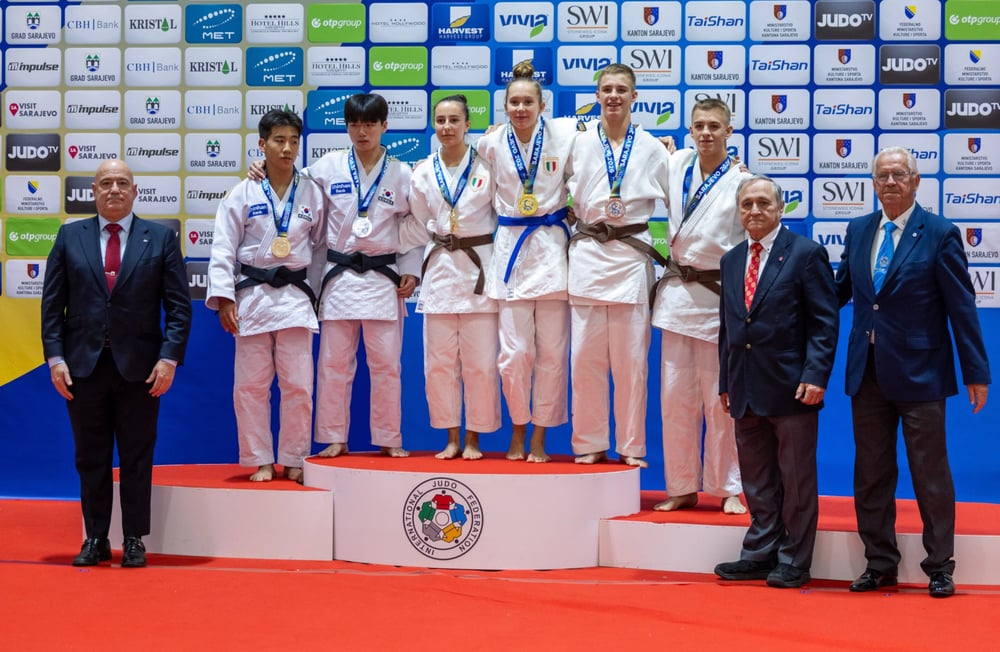
- LAURINI, Irene / CARBINI DIOTALLEVI, Eva (ITA) - 368.5 points
- PARK, Min Ho / CHOI, Minjun (KOR) - 365.5 points
- VOLOV, Vladimir / VOLOV, Fedor (RUS) - 361 points
KATAME NO KATA — JUNIORS
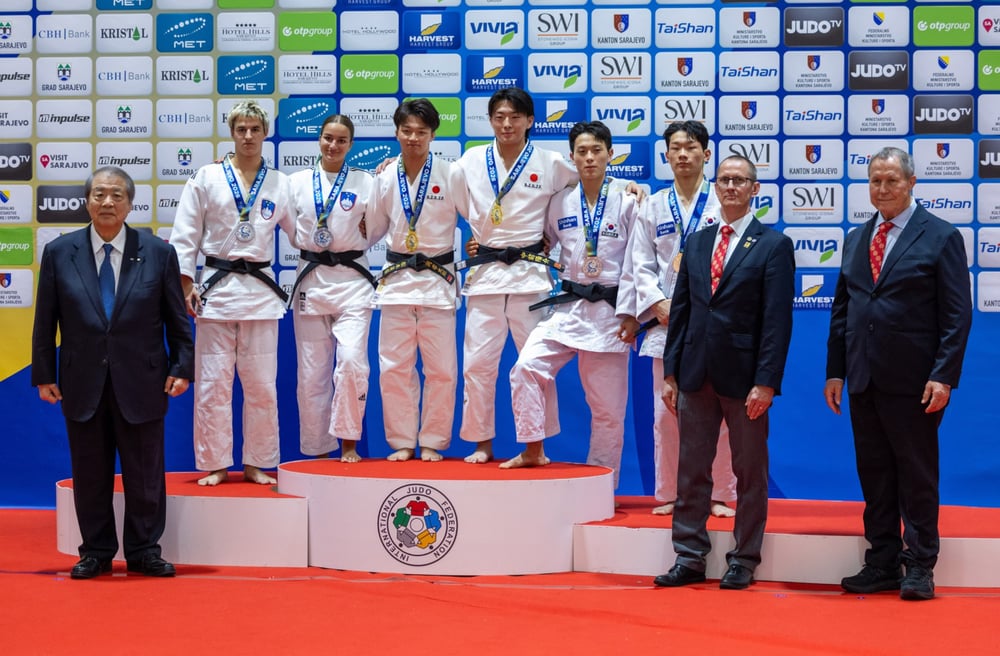
- NAKAMAE, Yosuke / SHIMOOKA, Kotaro (JPN) - 377 points
- KOJC, Kara / KOJC, Keno (SLO) - 369.5 points
- JO, Kanghae / SHIN, Minjun (KOR) - 369 points
JU NO KATA — CADETS
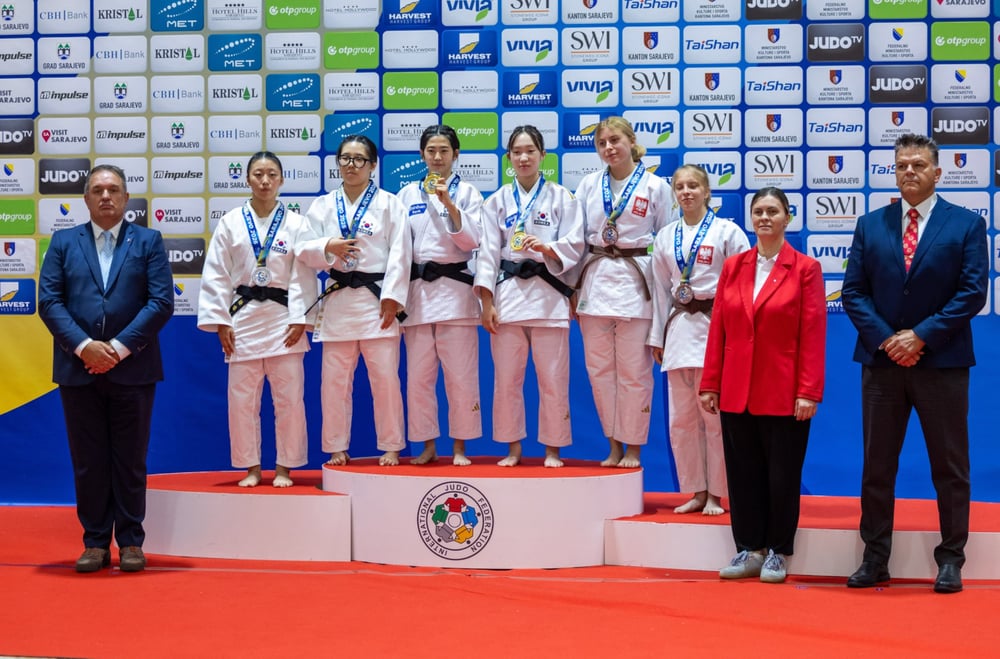
- LEE, Dahyun / LEE, Seoyeong (KOR) - 387 points
- LEE, Sungeun / SEO, Ye-Eun (KOR) - 385 points
- SZWAJKOWSKA, Anna / ZENNI, Alicja (POL) - 377.5 points
JU NO KATA — JUNIORS
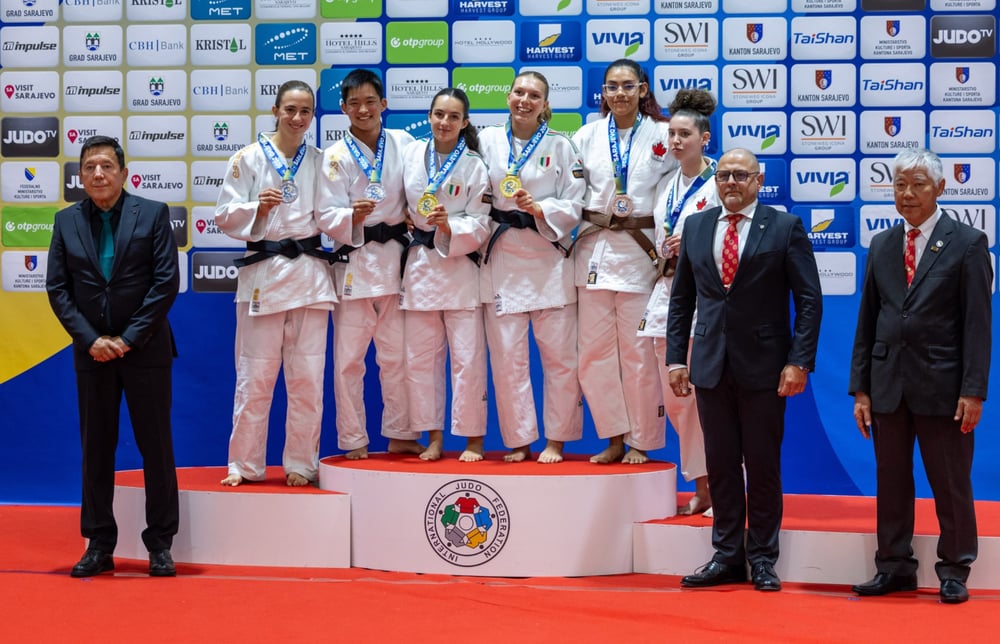
- BEZZI, Giulia / ORLANDO, Sara (ITA) - 365.5 points
- ESCANCIANO LOPEZ, Naroa / DE VILLOTA GARCIA, Paul (ESP) - 359.5 points
- MILLAN RINCON, Valentina / MCINTOSH, Zoey Marie (CAN) - 351 points
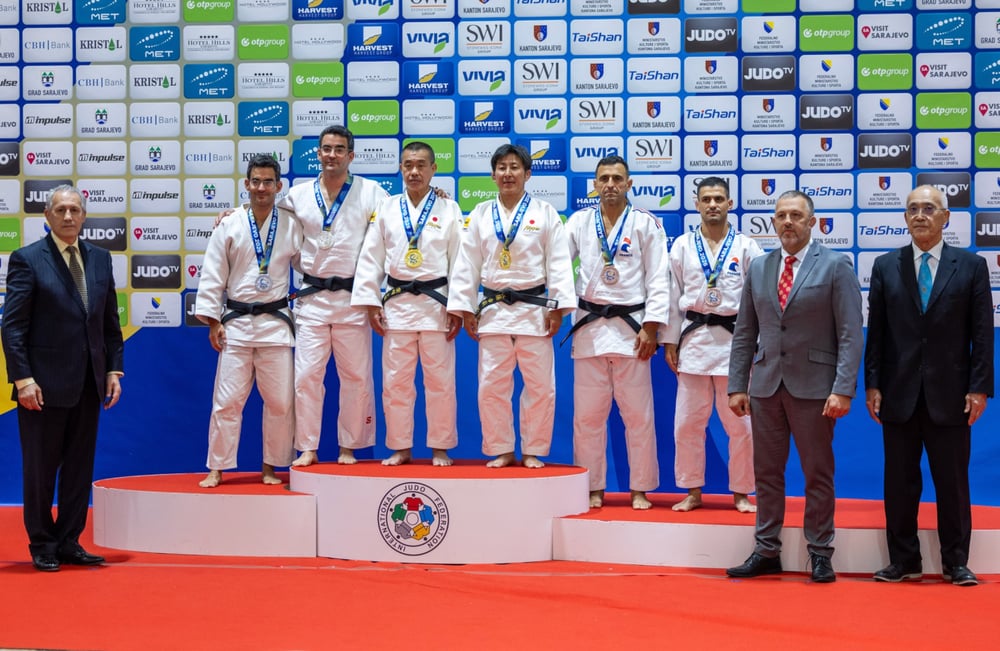
KIME NO KATA — SENIORS
- SATO, Yoshinori / SHIBAZAKI, Fuminobu (JPN) - 534.5 points
- GILON, Nicolas / GILON, Jean Philippe (BEL) - 524 points
- BEGA, Stephane / MARQUES, Gregory (FRA) - 522 points
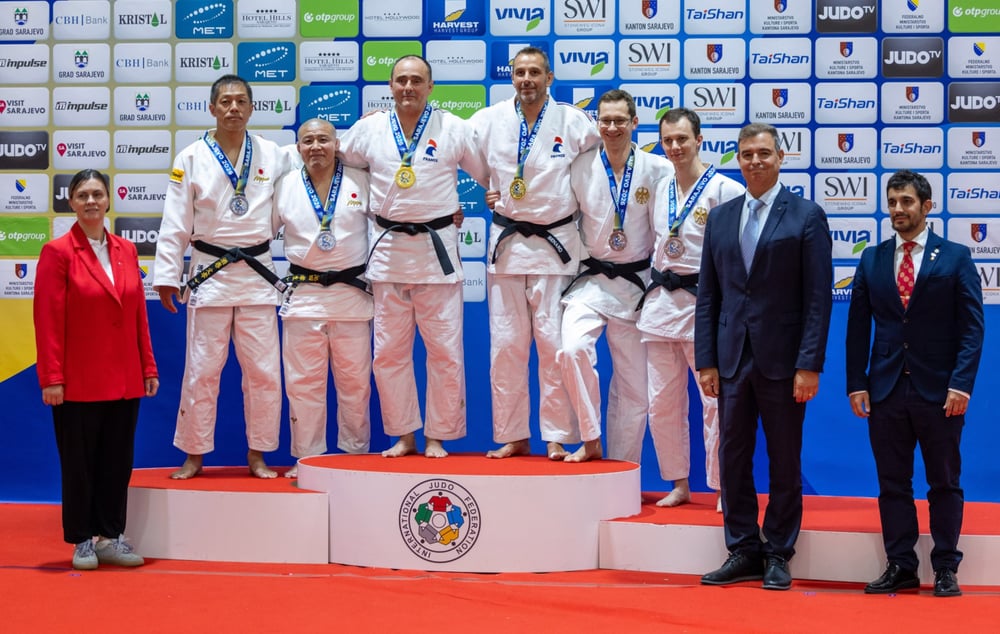
GOSHIN JUTSU — SENIORS
- JAUME, Claude / BENARD, Brice (FRA) - 520 points
- IKEDA, Koo / SAKAMAKI, Fumitaka (JPN) - 515 points
- FREIMUTH, Andreas / SCHMIDT, Eike Alexander (GER) - 509 points
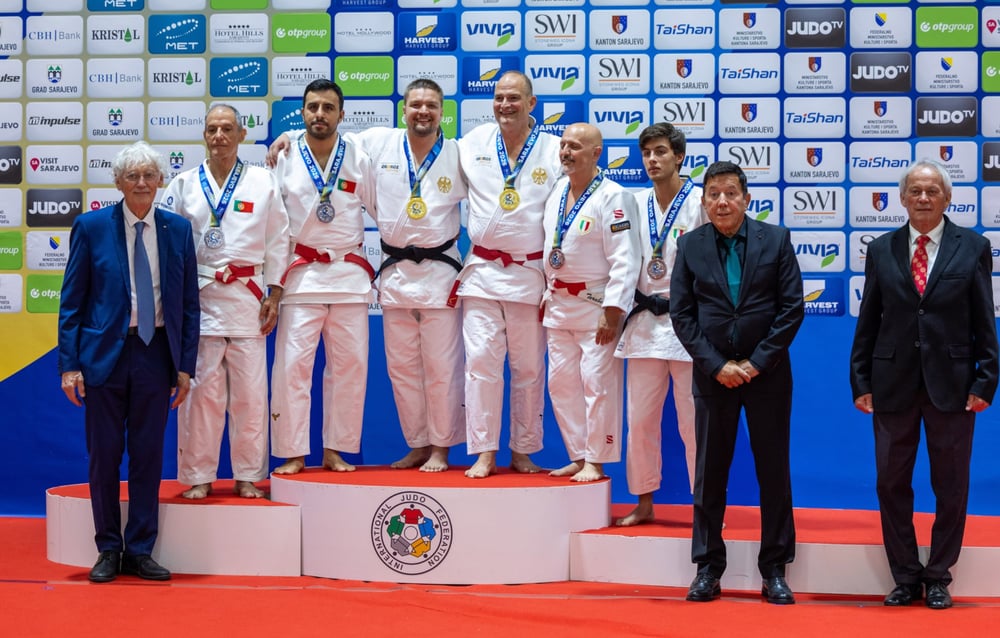
ITSUTSU NO KATA — SENIORS
- SCHILLIG, Soenke / KROEGER, Johannes Christoph (GER) - 163 points
- GONCALVES, Pedro / FERNANDES, Jorge (POR) - 160.5 points
- TARABELLI, Giovanni / PORTESI, Karol Elia (ITA) - 160 points
Important updates
Top stories
Nov 11, 2026

Nov 9, 2026