Driving Sustainability in Judo
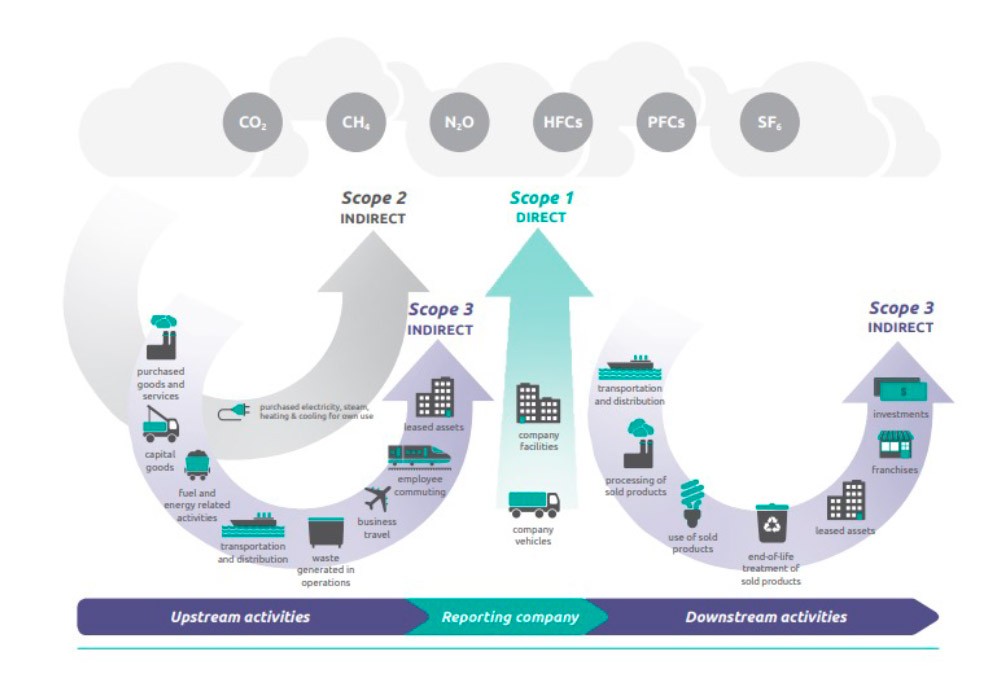
This dual focus is a natural result of how reporting works: the CF can only be measured once a year has concluded, but event-specific sustainability assessments are carried out during the current competition season.
Therefor the 2023–2024 report covers:
- The IJF’s organisational carbon footprint for 2023,
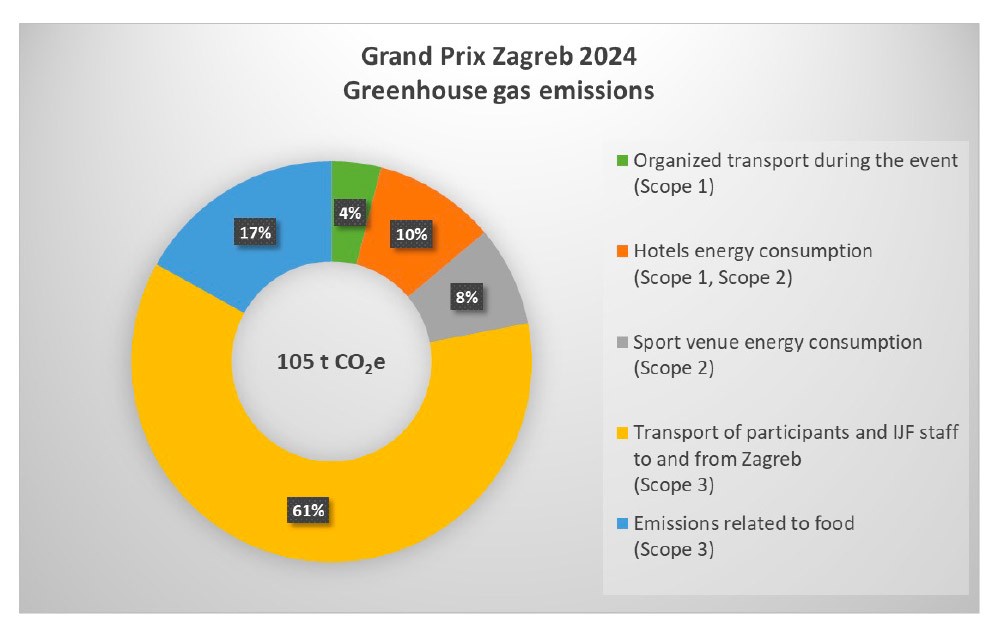
- The carbon footprint assessments of two 2024 World Judo Tour events, the Grand Prix Zagreb and Grand Slam Tokyo
- The completed S4CA reporting questionnaire.
This is the third annual emissions inventory since the IJF began reporting in 2021, its declared base year for measuring progress.
A Global Sport Responding to a Global Challenge
From its beginnings with a small group of national federations in 1951, the IJF has grown into a global body with 205 National Federations and millions of judoka worldwide. As climate change increasingly disrupts the lives of billions of people and has a more and more visible on sport through extreme weather, rising temperatures, and infrastructure risks, the IJF recognises the need to act.
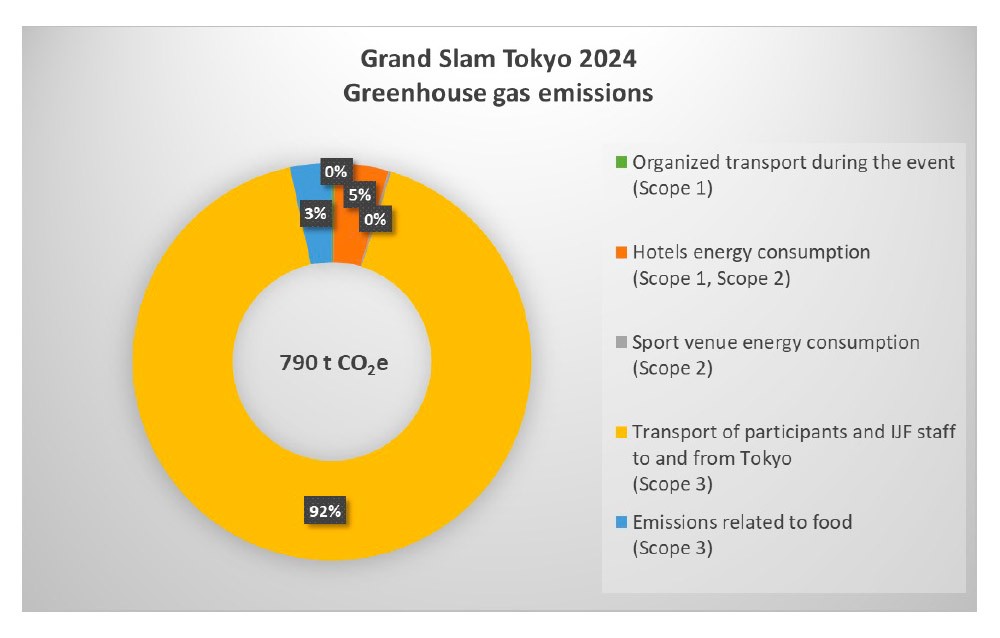
Measures in Action
In 2024, the IJF has been implementing and evaluating practical measures to reduce environmental impact, including:
- Optimising transport for participants and visitors,
- Introducing reusable cups and event materials,
- Offering plant-based and locally sourced food, with excess donated,
- Partnering with sustainable suppliers and sponsors,
- Improving waste management at events.
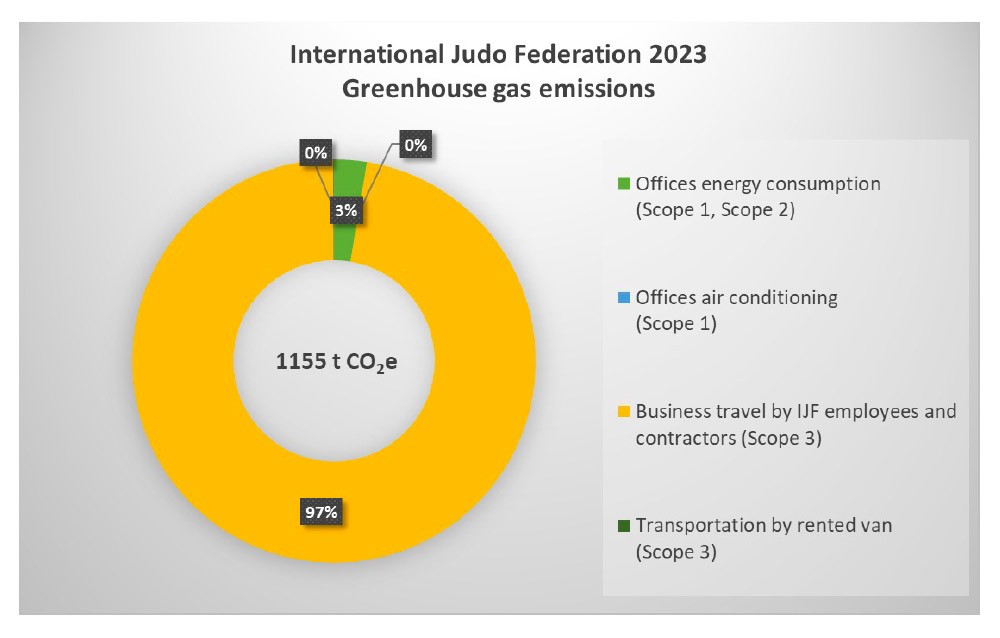
Beyond the Tatami: Education and Advocacy
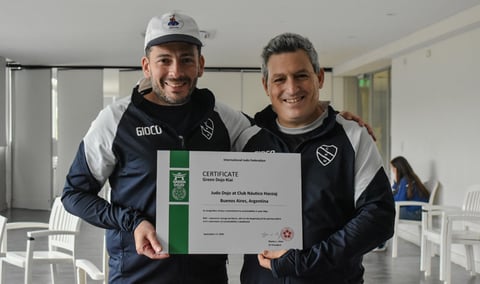
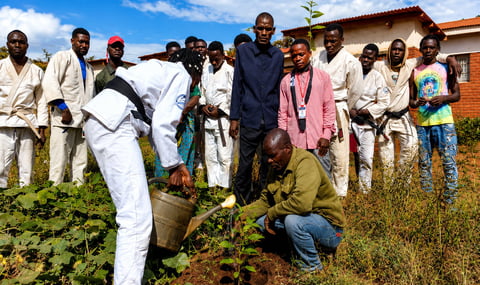
The IJF leverages its global platform to promote environmental awareness, encouraging member federations to take action and launching new initiatives like the Green Dojo Certification. This programme, open to judo clubs worldwide, recognises dojos meeting clear sustainability criteria.
- Criteria: Green Dojo Certification Criteria: CLICK HERE
- How to apply: Become a Green Dojo: CLICK HERE
By measuring its organisational footprint for 2023 and applying lessons learned to 2024’s events, the IJF is ensuring that climate action is embedded into both planning and practice, keeping judo’s values of respect and responsibility firmly connected to protecting our planet.