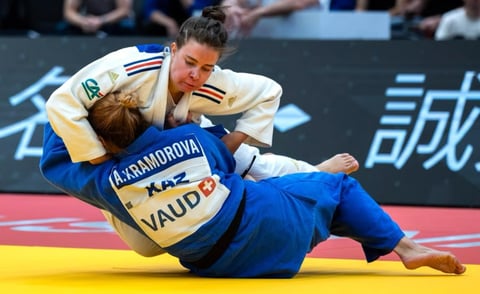
Koshiki-no-kata: The Echo of Armour
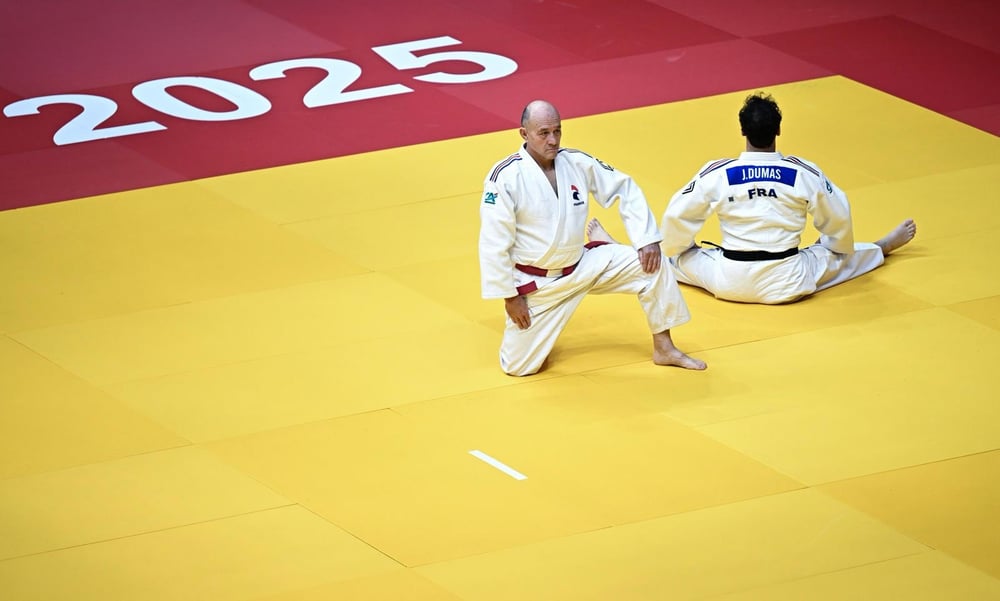
In the hush of a dojo, two figures advance. Their immaculate judogi stirs like the pages of an ancient book slowly turning. Their movements rise, precise, measured. They no longer embody judo as we know it today, they are memory in motion. This is Koshiki-no-kata, the ‘form of antiquity.’
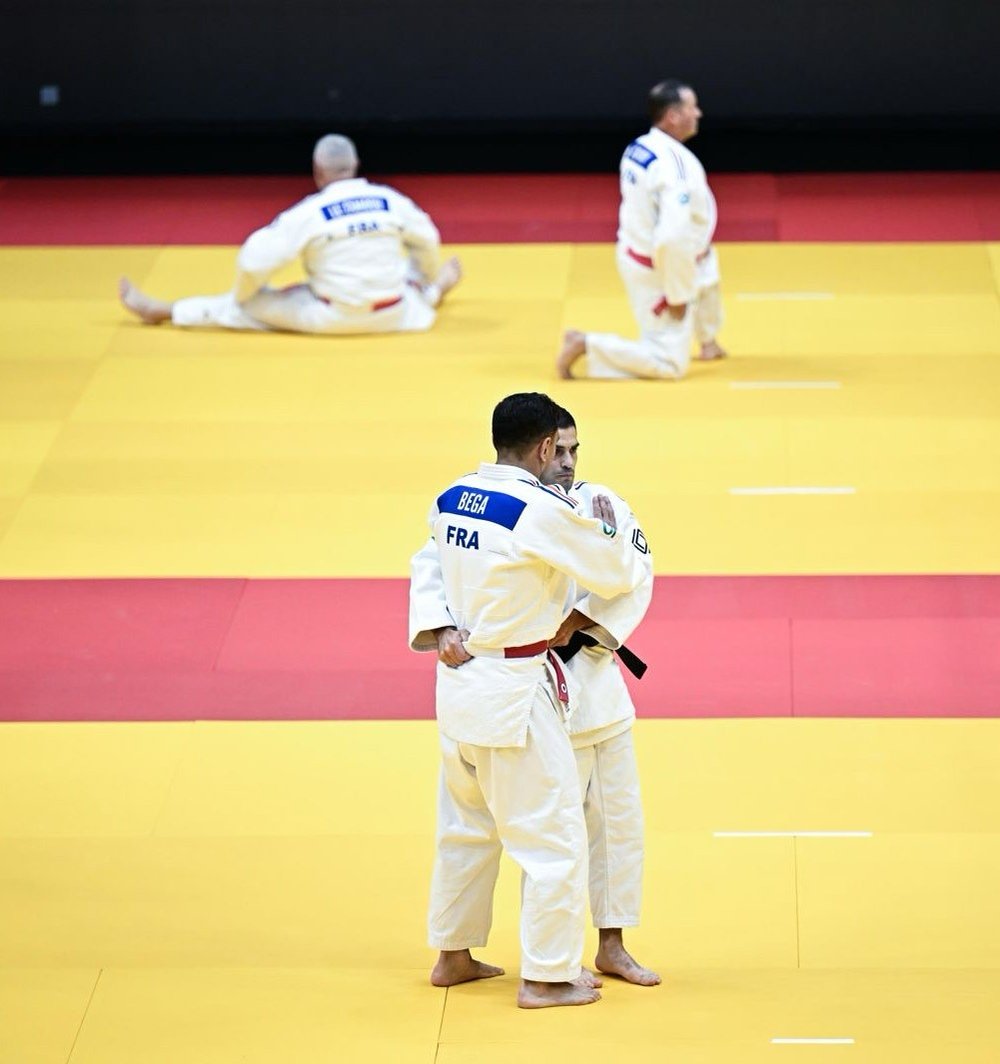
This kata, still taught in select circles within the judo community, carries the imprint of the past. It is a rite of transmission, a martial choreography from another age, a time when warriors, clad in heavy armour, grappled in contests of energy, strategy and instinct. It is not merely a series of techniques but a journey of initiation. Each movement echoes the feudal era, yet is transposed into the refined codification of Japanese tradition.
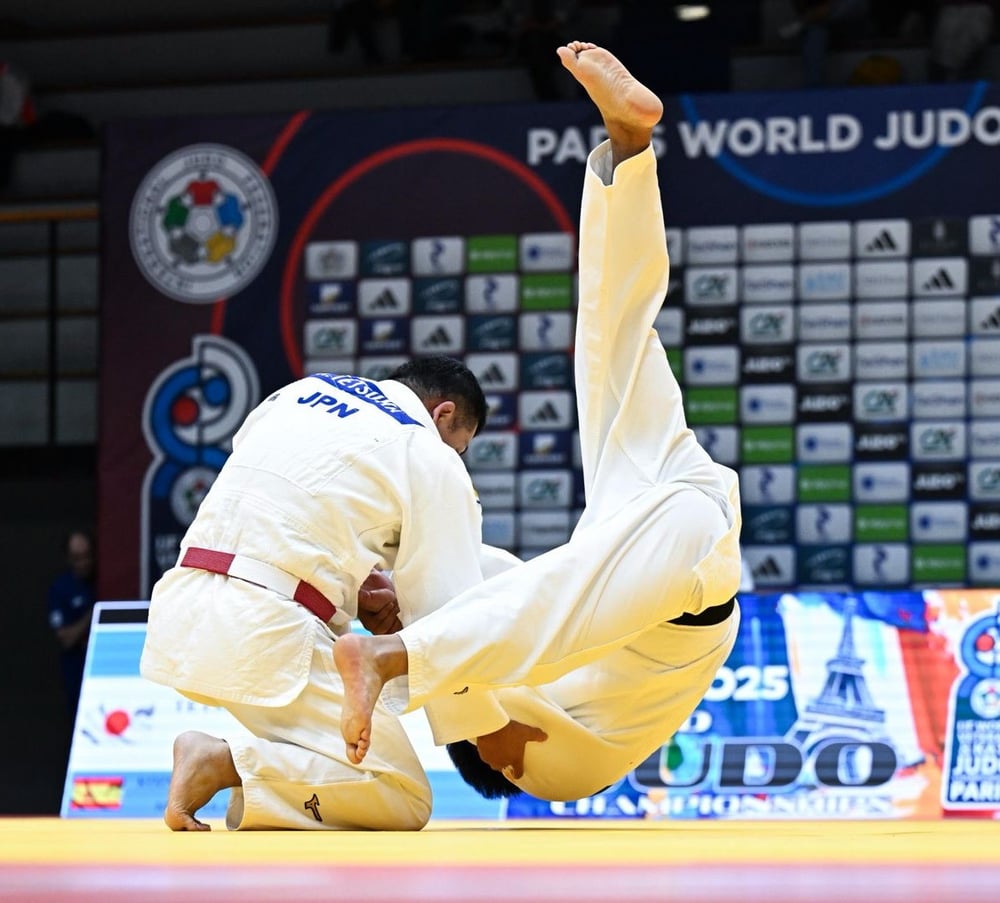
The roots of Koshiki-no-kata run deeply into the Kito-ryū, a school of jujutsu in which the philosophy rests on harmony between suppleness and strength. This was one of the schools studied by Jigoro Kano Shihan, founder of judo, who later incorporated the kata into the Kodokan as a living tribute to the masters who came before him.
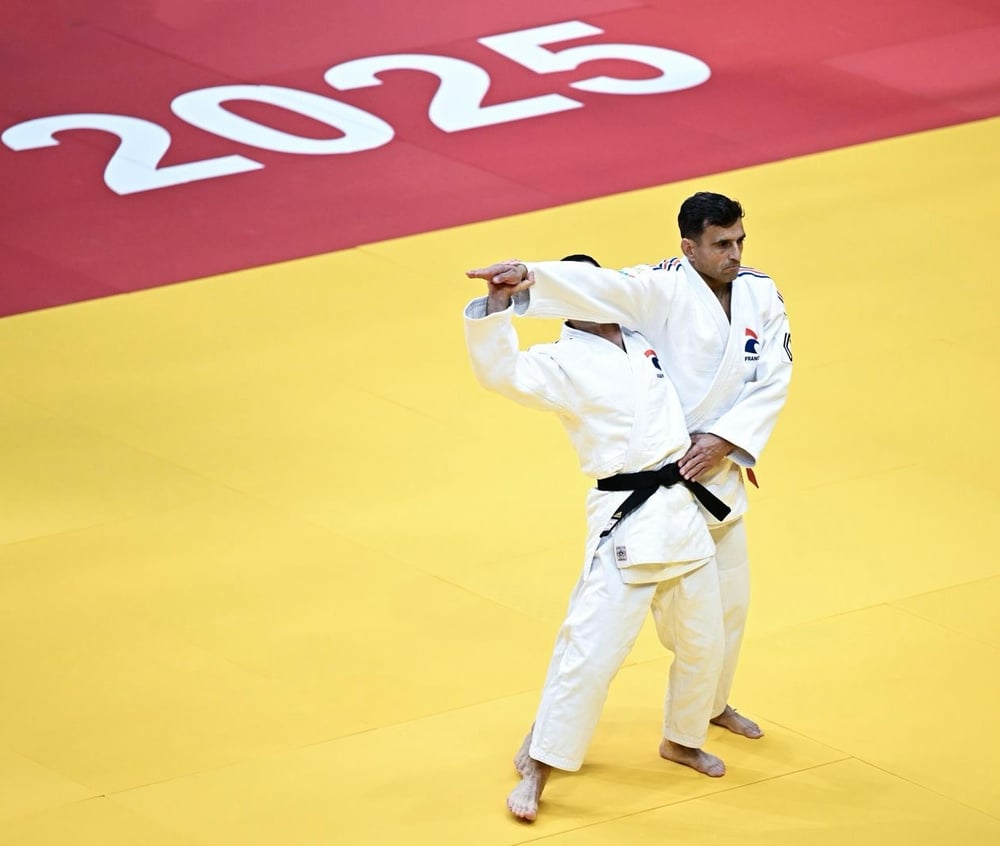
The kata unfolds like a breath in two parts: Omote, the visible face, and Ura, the reverse, mysterious, often irresistible. In each strike, each evasion, each controlled fall, one feels the imagined weight of iron plates, the stiffness of armour, the constraint of a helmet. The techniques bear evocative names, like haiku disguised within a combat manual: ‘Water Wheel,’ ‘Snow on the Willows,’ ‘Evening Shower.’ It is a kind of martial poetry.
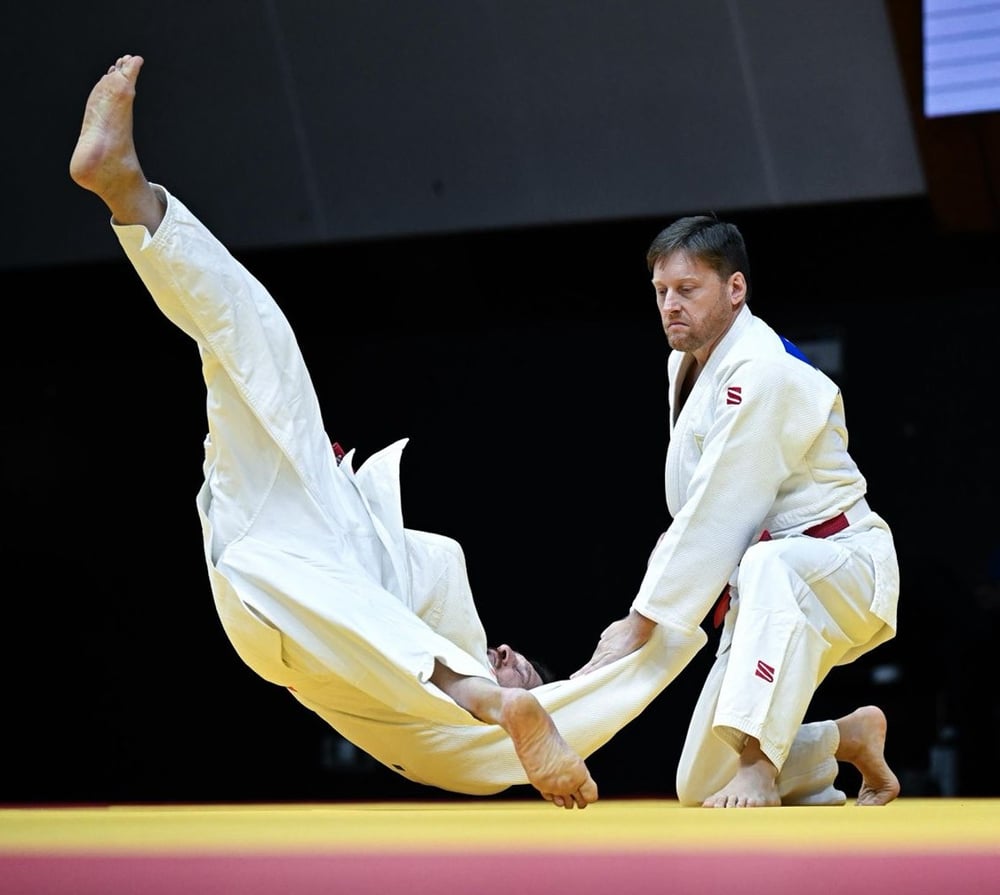
A modern judoka practising Koshiki-no-kata awakens ghosts. Standing on the line stretched between yesterday and today, they pay homage to those ancient fighters for whom combat was not a sport but a matter of life and death. In doing so, they learn more than a form, they feel judo in its most primal depth, where each gesture holds meaning, and stillness itself carries intent.
This is a rare kata, almost confidential, perhaps because it demands more than physical repetition. It demands imagination reverence and listening to one’s inner silence.
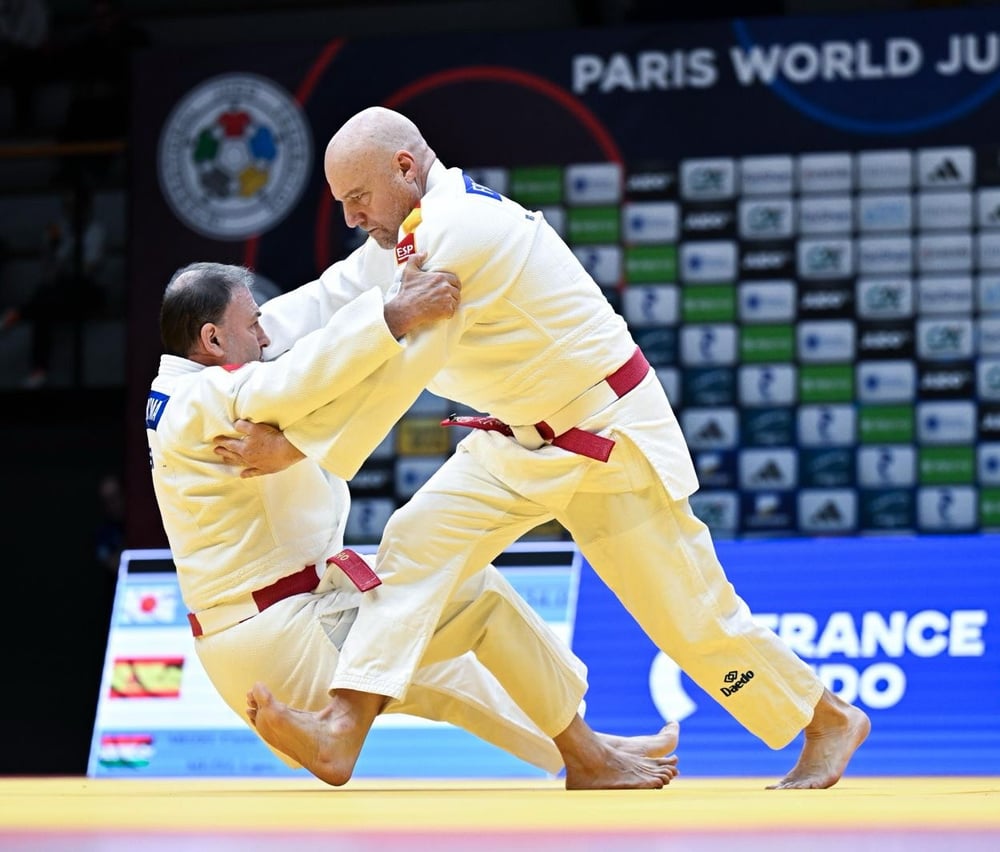
Koshiki-no-kata is a whispered poem, a poem for those who sense, through their practice, that each technique holds a fragment of history, embodied not in words but in breath, in imprint, in movement.
They say judo is practised in pairs. In this kata, it is practised in threes; the past takes your hand.
read more
Similar news
Belonging in Action: World Judo Day Across the World
Nov 2, 2026

Building Expertise and Strengthening Judo in Djibouti
Nov 2, 2026
A Global Family Built Through Everyday Actions
Oct 31, 2026
Referee Education Continues in Abu Dhabi
Oct 28, 2026
Important updates
Top stories


Zagreb Grand Prix Preview
Nov 12, 2026

Nov 11, 2026