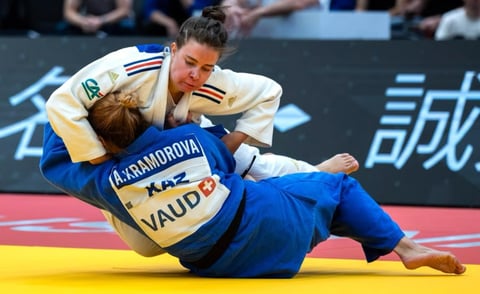
Brazil and Lithuania Strike Gold on Day 3 in Dakar
Across three days, young judoka have discovered the demands and emotions of an Olympic stage. The last contests offered a fitting conclusion: the courage to withstand pressure, the patience to find an opening and the conviction to keep attacking when time was running out.
−78 kg: Vallim Holds Firm and Finds Her Moment
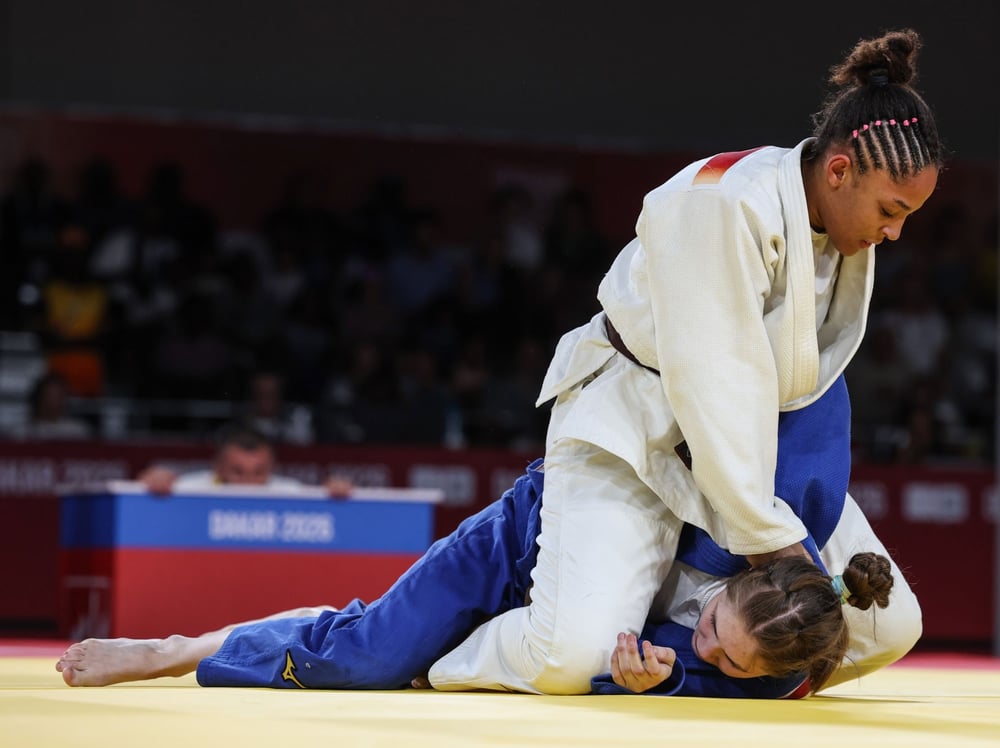
The final between Clarisse Vallim (BRA) and Anastasiia Dobrovolskaia (RUS) began at a lively pace. Following the opening exchanges in tachi-waza, Dobrovolskaia imposed a powerful spell of ne-waza, creating several opportunities to finish through a hold-down, strangle or armlock. Vallim was under considerable pressure, but she refused to surrender, defending with a resolve that drew admiration from her supporters.
Her resistance kept the contest open and, as the final minute began, the Brazilian produced a tremendous effort with seoi-otoshi. The attack lacked the finish required to score, but it showed that she remained ready to seize her opportunity.
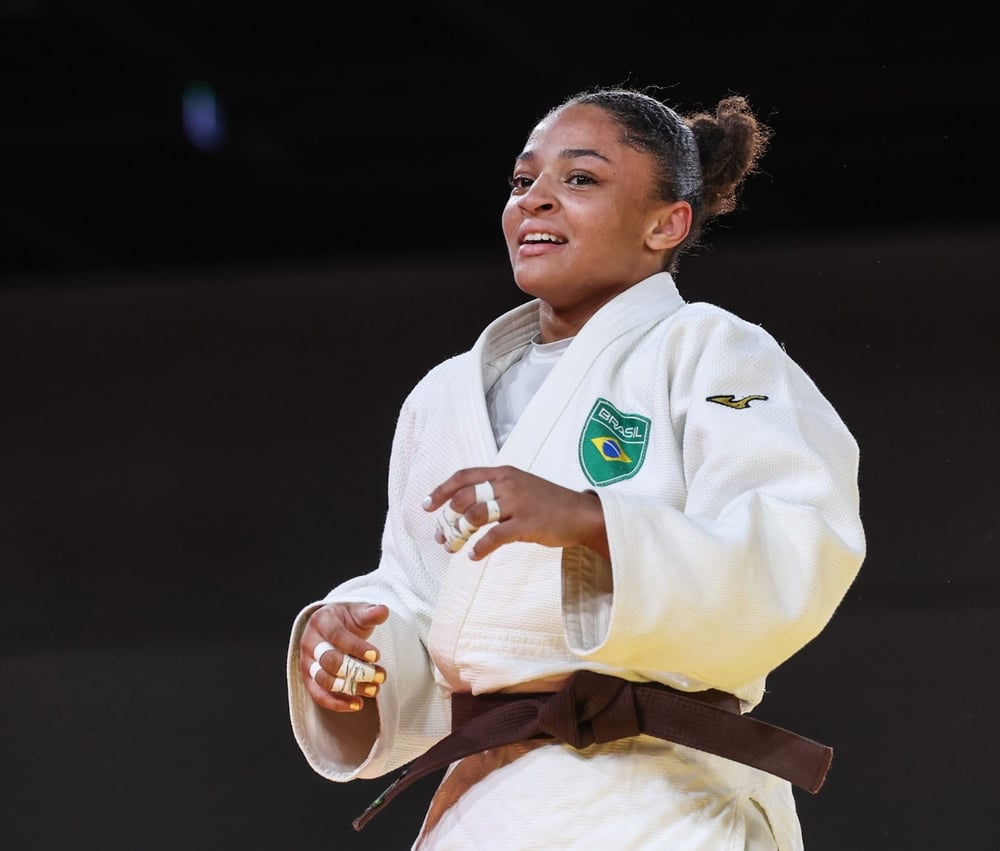
That opportunity eventually came in the very area where she had earlier been in danger. Returning to the ground, Vallim secured a hold-down and maintained control to score ippon with the contest drawing to its close. Having survived Dobrovolskaia’s strongest attacks, she had found the composure and strength to deliver her own decisive finish. Gold belonged to Brazil.
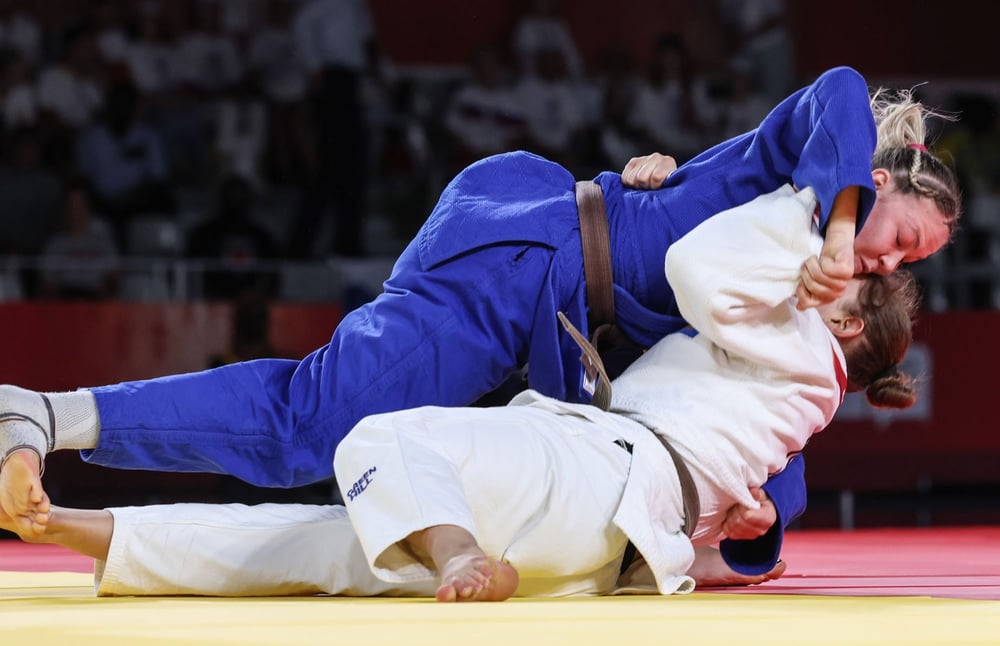
The first bronze medal contest, between Arba Hasanaj (KOS) and Selina Woegerer (AUT), was settled swiftly. Both athletes could draw inspiration from illustrious predecessors in their national teams, but it was the Austrian who made the opening count. Following an unsuccessful attack from Hasanaj, Woegerer took control on the ground, pinning her opponent for an emphatic ippon and a bronze medal for Austria.
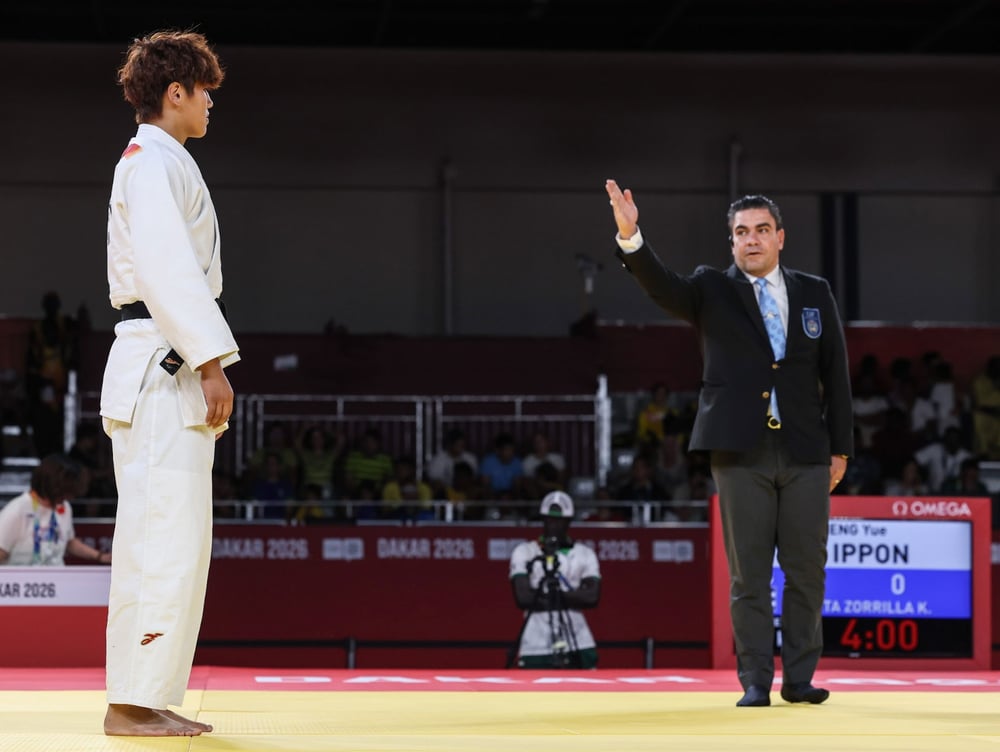
In the other bronze medal contest, Kayla Pita Zorrilla (CUB) was unable to compete, giving victory and the medal to Yue Cheng (CHN).
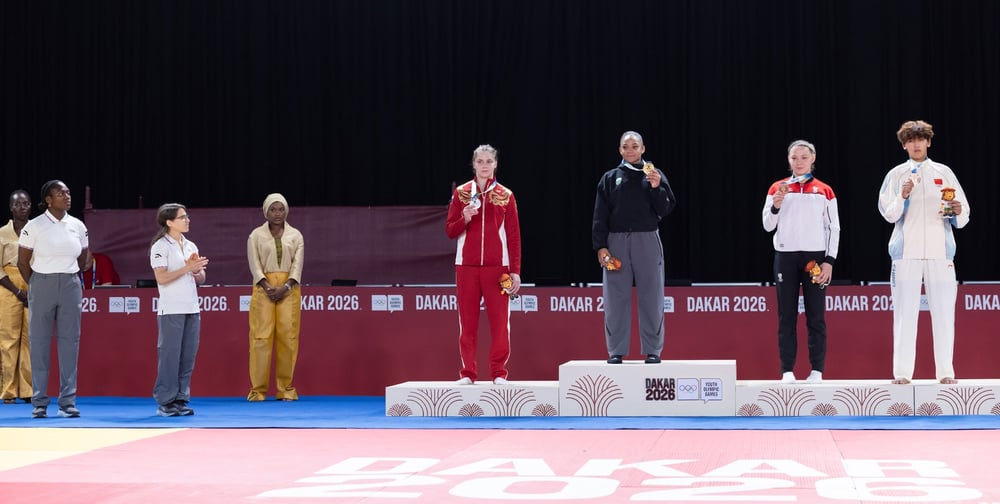
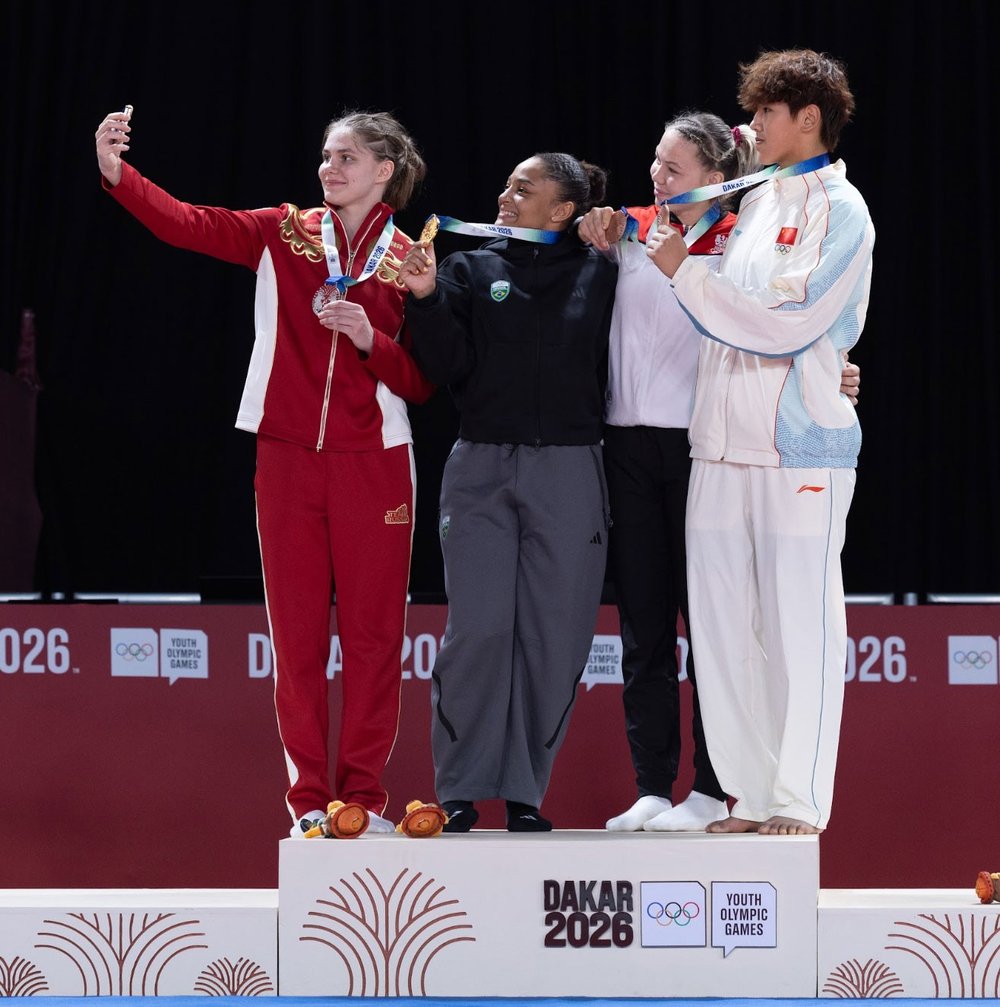
Final Results — Women’s −78 kg
- 1. Clarisse VALLIM (BRA)
- 2. Anastasiia DOBROVOLSKAIA (RUS)
- 3. Selina WOEGERER (AUT)
- 3. Yue CHENG (CHN)
- 5. Arba Hasanaj (KOS)
- 5. Kayla Pita Zorrilla (CUB)
−100 kg: Babaicenko Finds the Winning Score
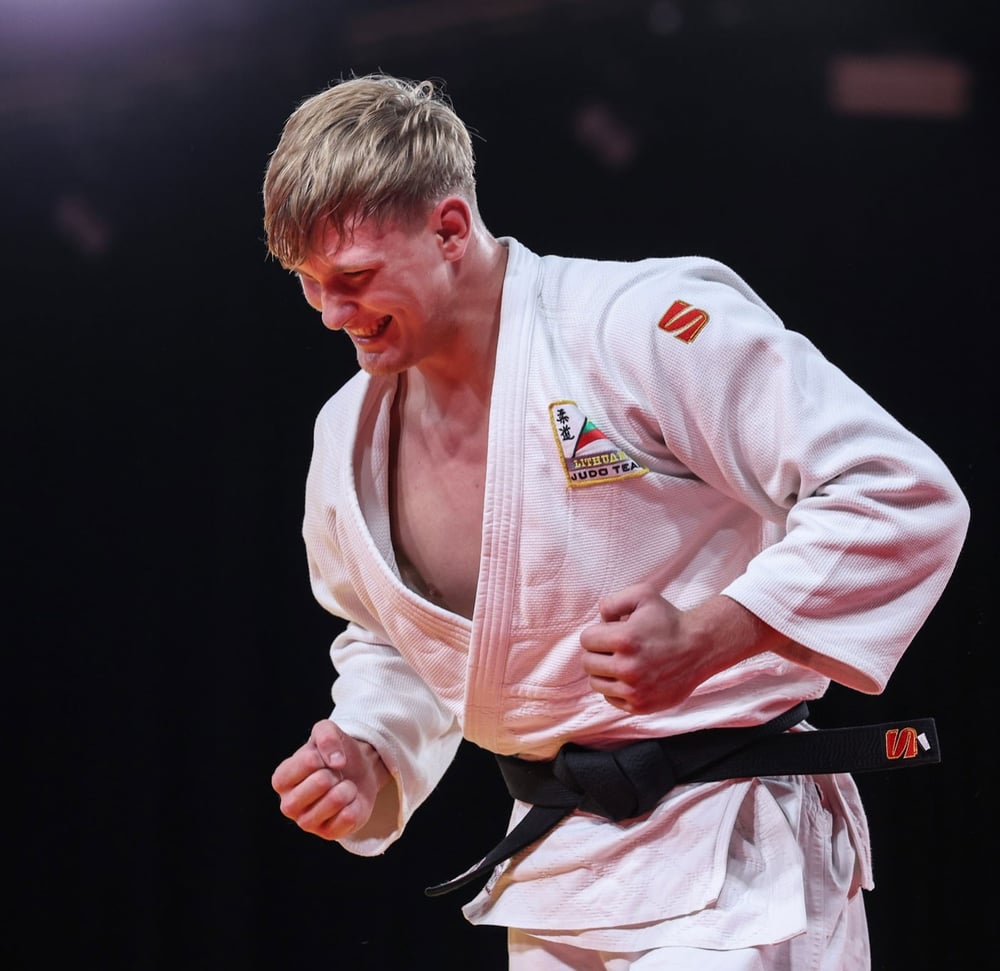
The men’s −100 kg final between Tajus Babaicenko (LTU) and Jurabek Eshpulatov (UZB) remained finely balanced for much of the contest. The opening stages developed into a demanding battle for grips, with Babaicenko seeking to use his greater reach to establish control.
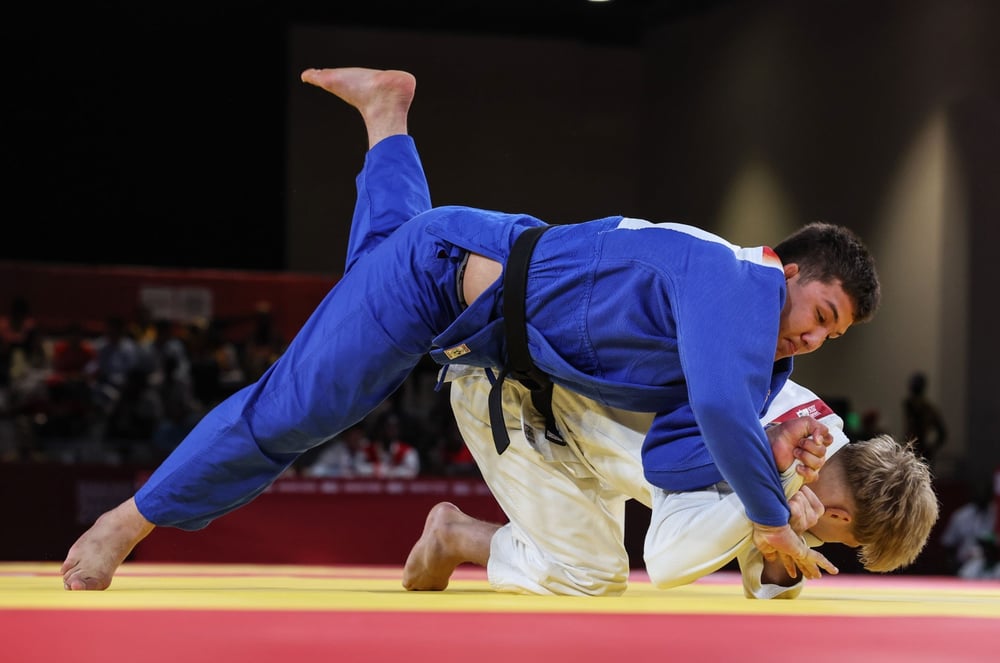
Neither judoka could afford to offer an opening. As the contest moved towards its conclusion, the Lithuanian finally found the breakthrough, scoring a yuko in the closing moments. It proved sufficient to separate the finalists and secure the Youth Olympic title for Babaicenko.
Earlier, the first bronze medal contest had produced an encounter full of power, tactical tension and uncertainty. Asmar Sharif (TJK) took the lead with a yuko after a sequence that required video review, leaving Don de Dieu Igiraneza (BDI) with work to do.
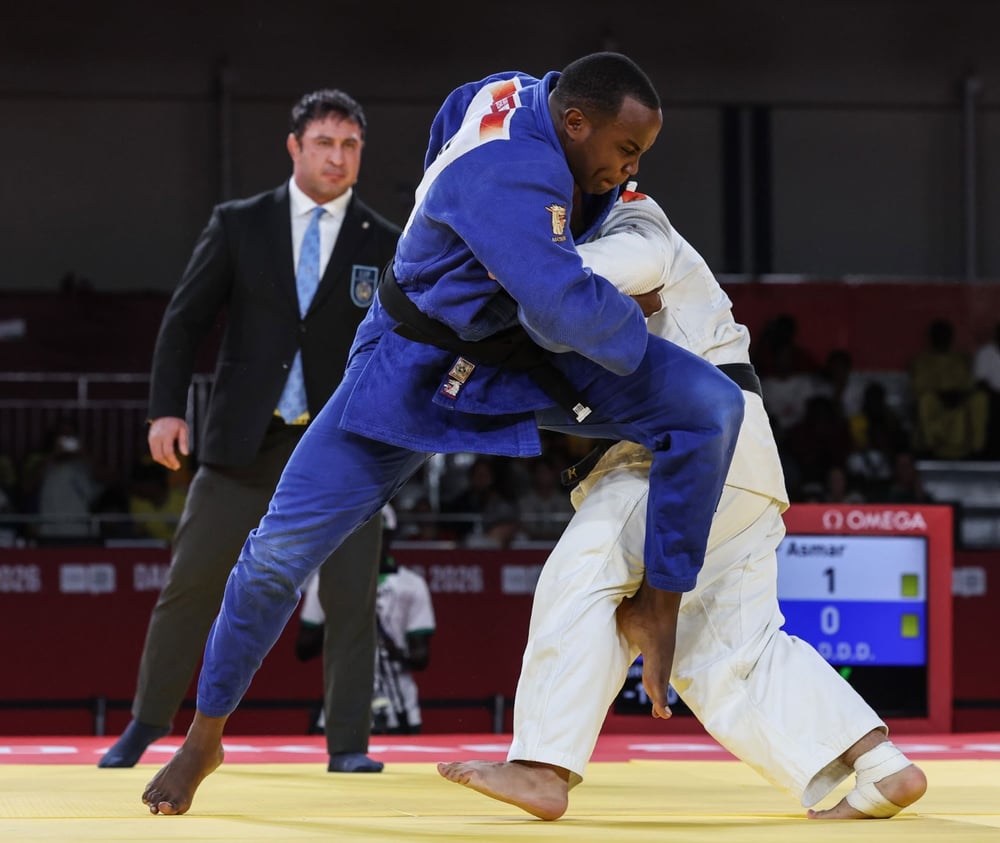
The Burundian responded by attacking relentlessly. Powerful o-soto-gari attempts and left-sided hip techniques kept the pressure on, although, entering the final minute, Sharif still appeared to be managing his advantage.
Igiraneza continued to believe. Committing himself fully to another attack, this time on the right-hand-side, he found the decisive movement and threw for ippon. In an instant, a contest he had been chasing became a bronze medal for Burundi.
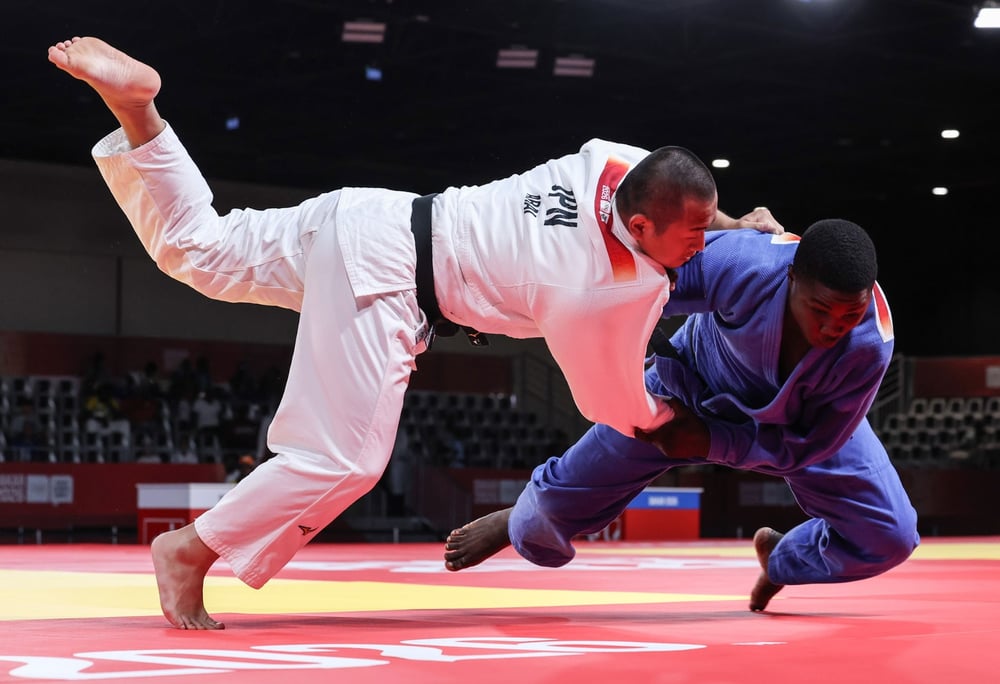
It was a result carrying the weight of years of development, effort and ambition. For a country working to strengthen its place in international judo, this podium offered recognition and encouragement. For the young judoka watching, it provided a compelling example of what persistence can achieve: Igiraneza had kept creating opportunities until one changed everything.
In the second bronze medal contest, Naito Arai (JPN) demonstrated the technical quality associated with Japanese judo. Against Agostinho Joao (ANG), he produced a decisive ippon to secure his place on the podium.
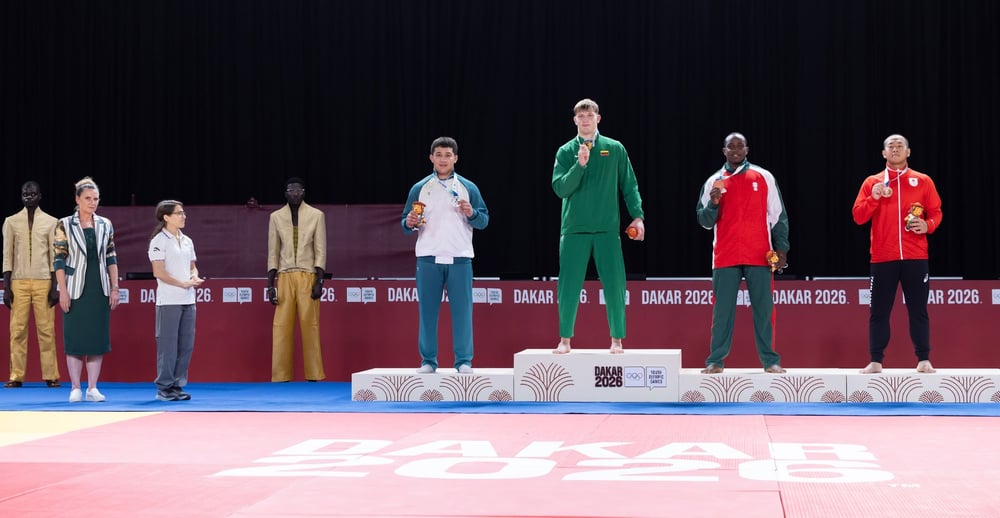
Final Results — Men’s −100 kg
- 1. Tajus BABAICENKO (LTU)
- 2. Jurabek ESHPULATOV (UZB)
- 3. Don de Dieu IGIRANEZA (BDI)
- 3. Naito ARAI (JPN)
- 5. Asmar Sharif (TJK)
- 5. Agostinho Joao (ANG)
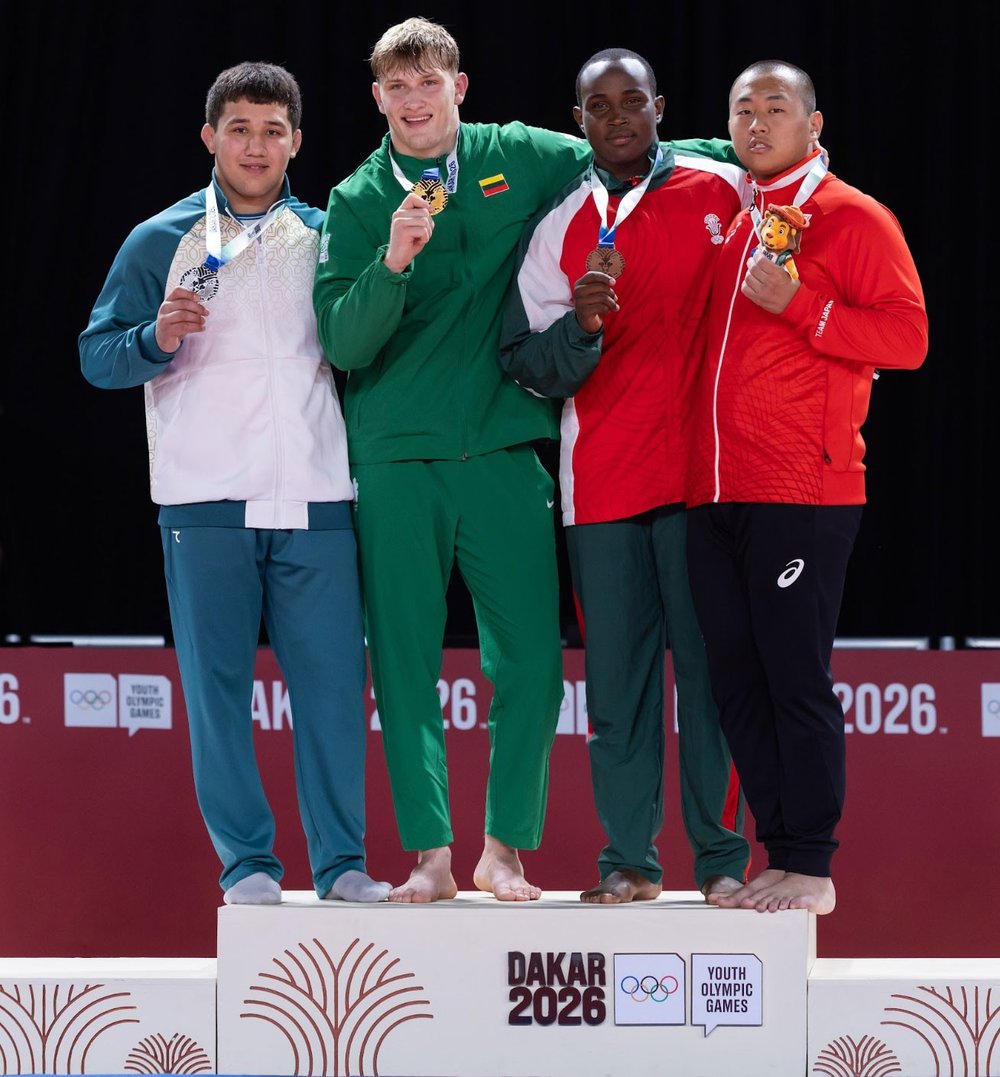
With the final medals awarded, judo’s competition at Dakar 2026 came to a close. Vallim’s resistance, Babaicenko’s patience and Igiraneza’s determination gave the last day its distinct character. Each found a way forward under pressure, leaving Dakar with a medal and a performance that will remain part of their country’s memories of these Games.
Important updates
Top stories
Zagreb Grand Prix Preview
Nov 12, 2026

Nov 11, 2026